
Home Systems
Bathroom Mold Prevention: A Long Island Homeowner's Guide
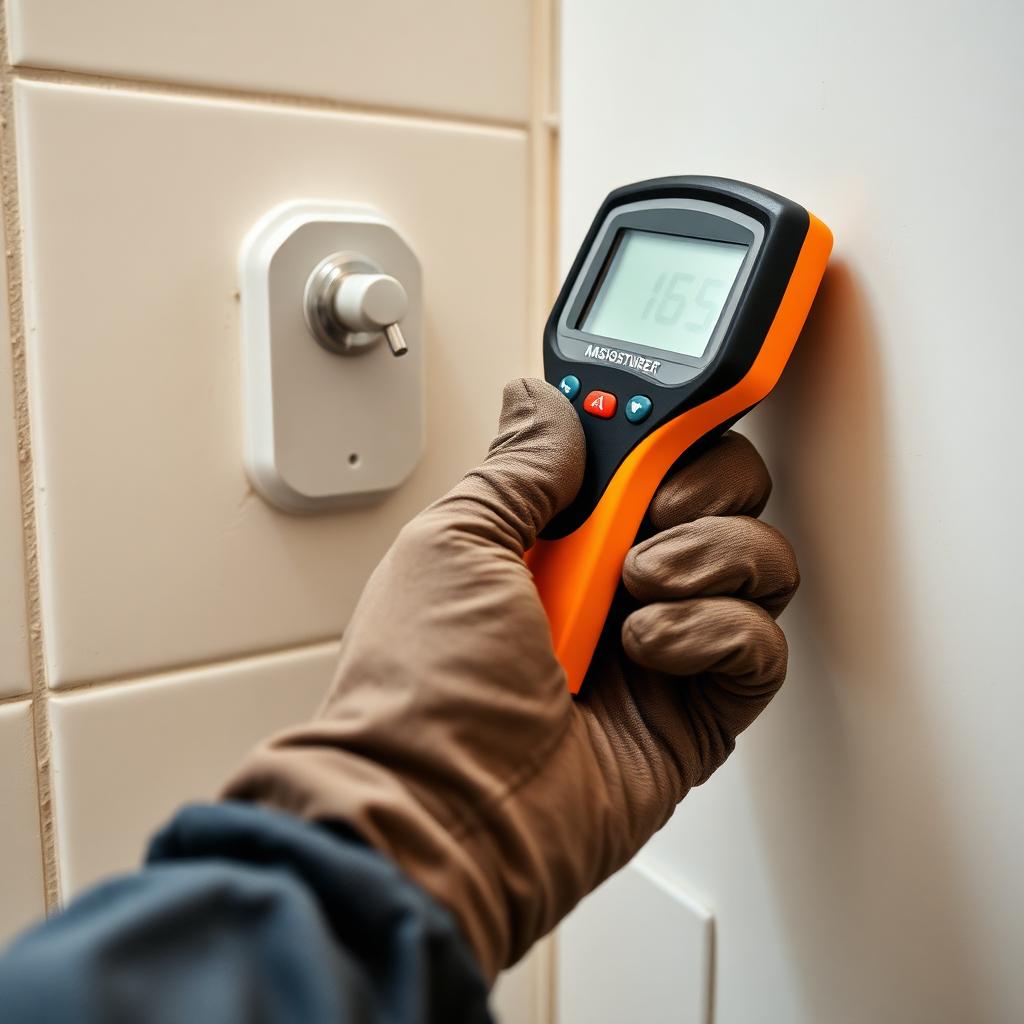
Bathrooms produce more moisture per square foot than any other room in a Long Island home. Add poor ventilation, closed doors, and tile assemblies that trap water behind them, and you have the ideal environment for mold to establish itself long before you ever see it.
Where bathroom mold actually starts
Most homeowners look at grout lines and caulk when they think about bathroom mold. Those visible signs are real, but they're usually the last stage. The problem typically starts inside the wall cavity behind the shower, under the vanity, or above the ceiling where the exhaust fan dumps humid air into an unconditioned attic.
We routinely find hidden mold in Long Island bathrooms where the visible surfaces look almost pristine. Thermal imaging tells a different story.
Fix the ventilation first
A bathroom exhaust fan should run for at least 20 minutes after every shower and should vent to the exterior — never into the attic, soffit, or a wall cavity. On Long Island, we still see 1960s and 1970s builds where the fan simply dumps into the attic, saturating insulation and sheathing every day.
Upgrade to a fan sized for the room (roughly 1 CFM per square foot, minimum 80 CFM) with a humidity-sensing switch that runs automatically until the room is dry.
Seal the water paths
Inspect and re-caulk the joint between the tub and tile every year. Check the shower valve escutcheon, the toilet base, and the seal around the tub spout. Any gap is a direct path for water into the framing.
Grout should be sealed annually with a penetrating silicone sealer. Missing or crumbling grout means water is already reaching the substrate behind the tile.
Manage humidity year-round
A hygrometer costs $15 and tells you exactly what's happening. Target below 55% relative humidity in the bathroom during summer months. On humid Long Island days, a small dehumidifier in an adjacent hallway can make a meaningful difference.
Leave the bathroom door open when the room isn't in use so air can circulate. Closed doors trap moisture against every surface.
When to call for an inspection
Persistent musty smell, discoloration on the ceiling near the fan, soft spots in the floor by the toilet, or peeling paint anywhere in the bathroom warrant a professional look. A Certified Indoor Environmentalist can identify hidden moisture before it becomes a wall-cavity remediation project.
**Bathroom concerns?** HBH inspects across Nassau and Suffolk. Call (631) 774-6502 or contact us online.
Keep Reading

Seasonal
The Long Island Fall Mold Prevention Checklist
Autumn is the most important — and most overlooked — season for mold prevention on Long Island. Use this checklist before winter sets in.
Home Systems
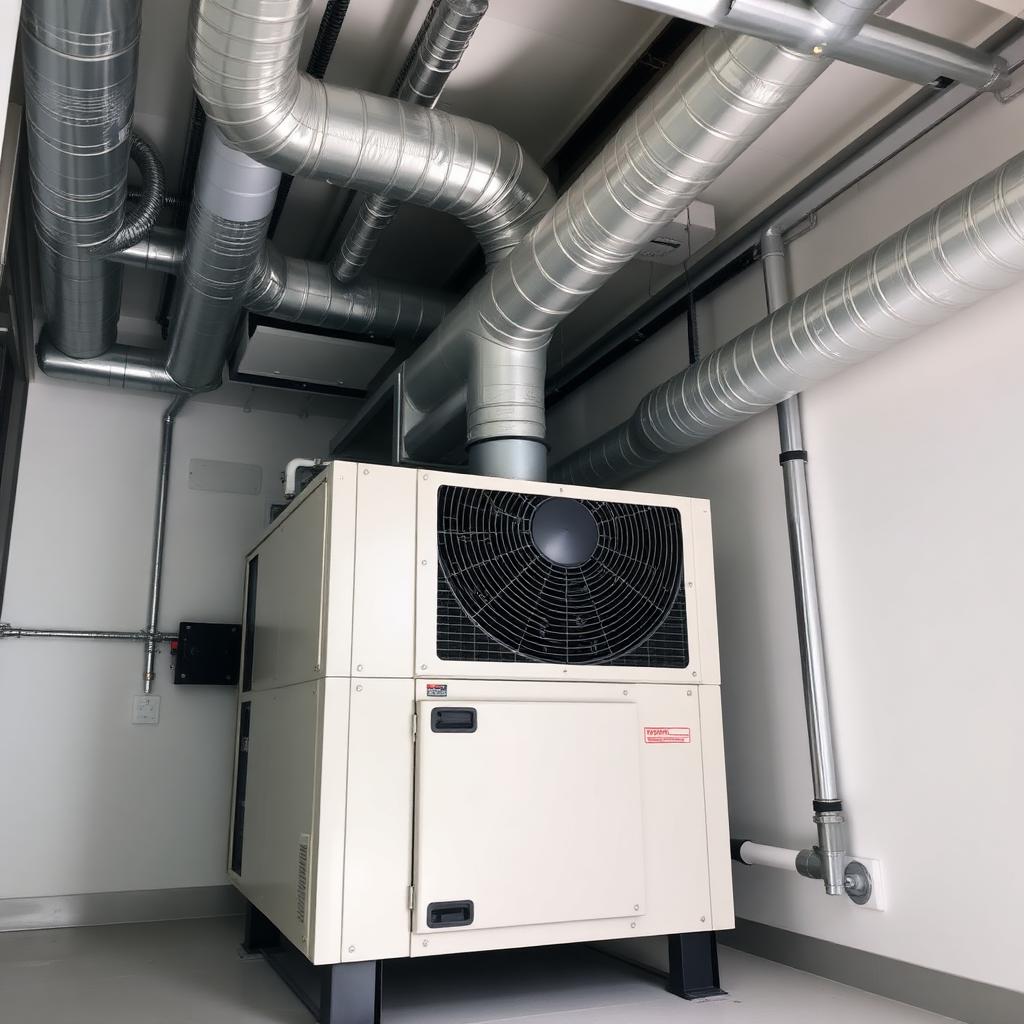
HVAC and Mold: What Every Long Island Homeowner Should Know
Your HVAC system can be your best defense against mold — or its biggest distribution network. Here's how to tell which one you have.