
Air Quality
Air Purifiers — What Actually Works for Mold and Indoor Air Quality
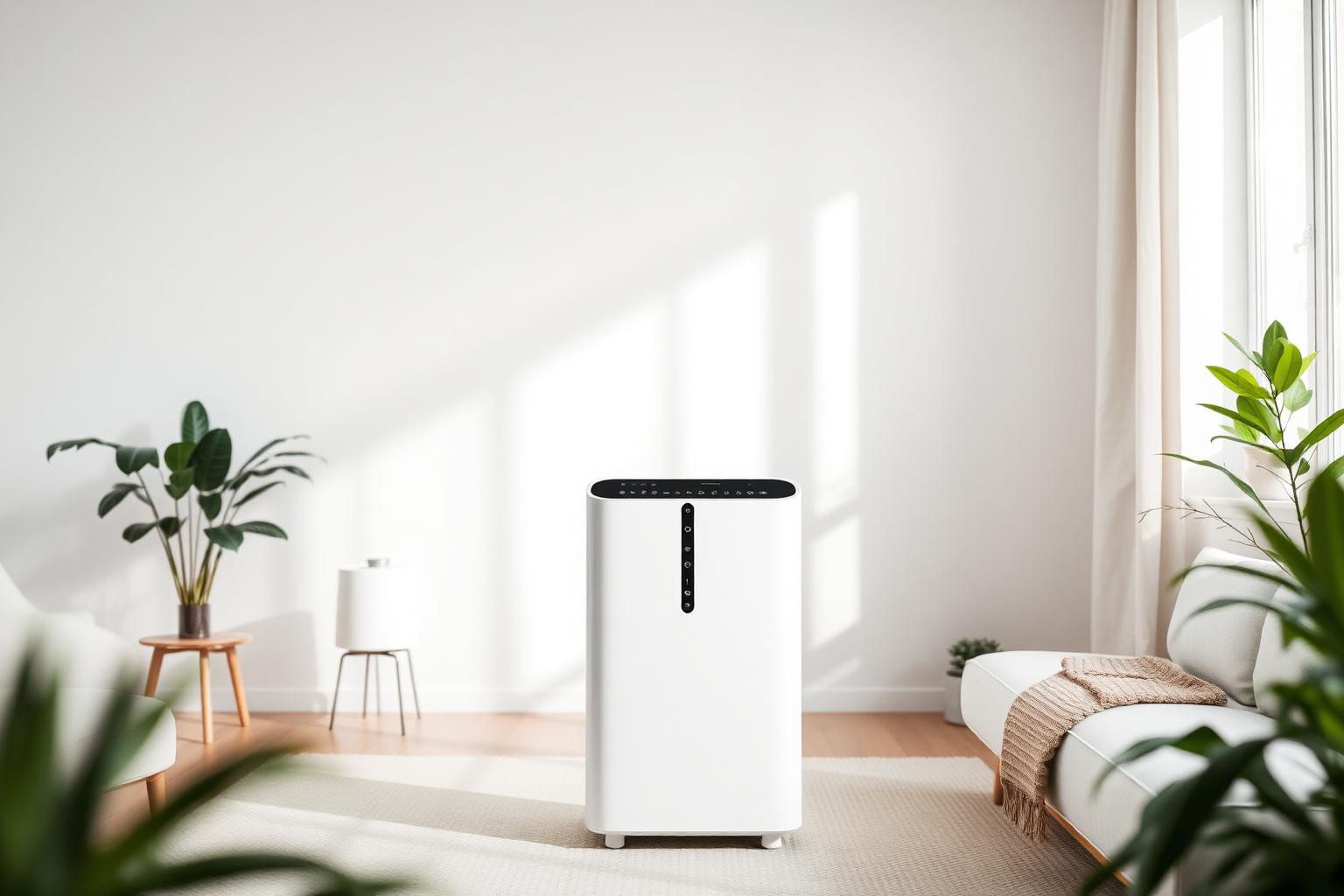
Clients often ask whether an air purifier will solve their mold problem. The short answer is "no — but the right one helps." Here's a practical guide to what air purifiers actually do, what to look for, and where the marketing claims outpace the science.
The fundamental limit of air purifiers
Air purifiers clean air. They don't address the source of contamination. A working air purifier in a home with active mold growth captures spores in the air — but new spores are released constantly, and the underlying moisture problem continues to support growth.
This means air purifiers are best understood as **adjunct tools** in a comprehensive indoor air quality approach, not standalone solutions. Source control comes first.
What actually works: True HEPA filtration
HEPA (High-Efficiency Particulate Air) filters certified to remove 99.97% of particles 0.3 microns and larger are the gold standard for capturing mold spores. Most mold spores range from 2-100 microns, well within HEPA's capture range.
Look for: - **"True HEPA" or "HEPA H13" certification** — not "HEPA-like" or "HEPA-type" - **CADR ratings (Clean Air Delivery Rate)** appropriate for your room size — match or exceed the room volume per hour - **Pre-filter for large particles** — extends HEPA filter life - **Carbon filtration** for VOCs and odors — bonus, not essential for mold specifically - **Sealed housing** — air should not bypass the filter
What sometimes works: UV-C and ionization
**UV-C light** can kill mold spores and other microorganisms on direct exposure. UV-C built into HVAC systems at the evaporator coil prevents biofilm growth on the coil. Standalone UV air purifiers are less effective because air passes too quickly for full UV dose.
**Ionization** technologies generate ions that cause particles to clump together and settle. Some research supports their effectiveness, but ionization can produce ozone as a byproduct, which is itself a respiratory irritant. We generally don't recommend ionization-based purifiers without verification of zero ozone production.
What doesn't work
**Ozone generators marketed as "air purifiers."** Ozone is effective at killing microorganisms — but it requires concentrations that are unsafe for human occupancy. Ozone treatment is a remediation tool used in unoccupied spaces under controlled conditions. It's not appropriate for daily home use.
**"Essential oil diffusers" for mold.** No evidence supports essential oils as effective antifungals in airborne treatment. They smell nice. That's the value.
**Cheap "air purifiers" with no filtration certification.** Many sub-$100 units provide minimal actual filtration despite marketing claims.
**"Salt lamps" and similar wellness products.** No scientific evidence for air quality benefits.
Whole-house vs. portable
**Whole-house air purification** integrates with your HVAC system. Options include: - Upgraded MERV-rated filters (look for MERV 11-13 compatibility with your system) - Bypass HEPA systems - Electronic air cleaners - UV-C lights at the coil
**Portable HEPA purifiers** are placed in specific rooms. They're often more effective per dollar for the specific room where they operate but don't address whole-house issues.
For comprehensive coverage, the combination of HVAC filtration upgrades plus portable units in bedrooms is the typical approach we recommend.
Sizing and placement
Air purifiers are rated by CADR for specific room sizes. A unit rated for a 200 sq ft room won't effectively purify a 600 sq ft master bedroom. Either size up the unit or use multiple smaller units.
Placement matters: - Place in the room where people spend the most time - Position away from walls (12+ inches) for proper airflow - Don't block air intake or output with furniture - Run continuously, not just during symptoms - Replace filters per manufacturer schedule
Costs and ongoing maintenance
Quality HEPA purifiers run $200-$600 initial cost. Filter replacement is the ongoing expense — figure $50-$150 per year per unit. Cheap purifiers often have proprietary expensive filters that drive long-term costs higher than premium units.
HVAC filter upgrades to MERV 11-13 cost $25-$75 per filter, replaced every 1-3 months depending on conditions.
What HBH recommends for most Long Island homes
A reasonable indoor air quality investment for a typical home: - Upgrade HVAC filter to highest MERV your system supports - Whole-house dehumidifier if humidity runs above 55% - Quality HEPA portable purifier in main bedroom - UV-C light at HVAC coil if HVAC has any history of biofilm or condensation issues - Bathroom and kitchen exhaust fan upgrades where needed
This combination addresses the major mechanical IAQ levers in a typical Long Island home.
When purifiers won't be enough
If you have active mold contamination, no purifier replaces remediation. Purifiers help during and after remediation by capturing residual spores, but they don't make the underlying problem go away.
**Wondering what your home actually needs?** Call HBH at (631) 774-6502 for an honest assessment.
Keep Reading
Home Systems
Bathroom Mold Prevention: A Long Island Homeowner's Guide
Bathrooms are ground zero for mold in Long Island homes. Here's how to stop it before it starts — from ventilation to grout.
Seasonal
The Long Island Fall Mold Prevention Checklist
Autumn is the most important — and most overlooked — season for mold prevention on Long Island. Use this checklist before winter sets in.