
Asbestos
Asbestos on Long Island — What Homeowners Should Know
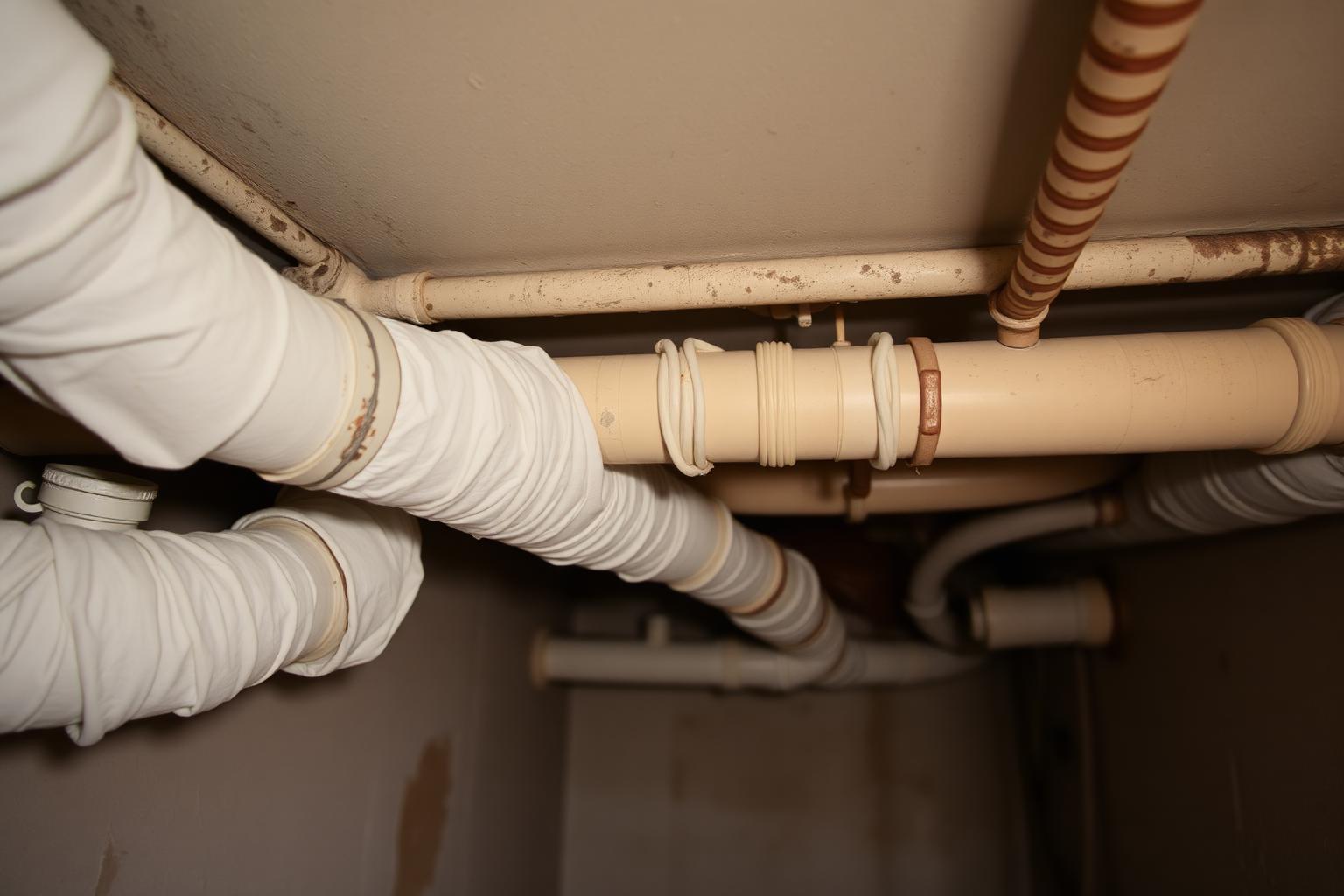
Asbestos was widely used in building materials until the late 1970s, and significant use continued in some products into the 1980s. Most Long Island homes built before 1985 contain at least some asbestos. Understanding where it is, when it's a problem, and when to test is essential for safe ownership and renovation.
Where asbestos hides in Long Island homes
**Insulation around pipes and boilers.** White, chalky, often wrapped in cloth or paper. Common in older basements.
**Vermiculite attic insulation.** Loose, pebble-like, often grayish-tan. If your attic has vermiculite, assume it contains asbestos until proven otherwise.
**9x9 and 12x12 floor tiles and adhesive.** Common in basements, kitchens, and bathrooms in homes built 1950s-1980s. The tiles themselves and especially the black mastic underneath often contain asbestos.
**Sheet vinyl flooring and backing.** Older vinyl flooring sometimes has asbestos paper backing.
**Asbestos cement siding.** Looks like flat shingles, common on Long Island homes from the 1940s-1960s.
**Roofing materials.** Some older roofing shingles and roofing felt contain asbestos.
**Popcorn ceilings.** Sprayed acoustic ceiling texture, particularly common in homes built 1950s-1980s.
**Drywall joint compound.** Some pre-1980 joint compound contains asbestos.
**Plaster.** Some older plaster systems used asbestos as a binder.
**HVAC duct insulation.** White or gray fibrous wrap on older ductwork.
**Window glazing putty.** Old window putty sometimes contains asbestos.
When asbestos is actually dangerous
Asbestos is dangerous when fibers become airborne and are inhaled. Intact, undisturbed materials in good condition pose minimal risk. Materials become dangerous when:
- They're damaged, broken, or crumbling - They're sanded, cut, drilled, or scraped - They're disturbed by renovation or demolition - They're degraded by water damage - They're old enough that the binder is breaking down
This means a perfectly intact asbestos floor tile under your carpet is far less hazardous than ripping that tile up during a renovation.
When testing is necessary
Test before: - Any renovation or demolition that will disturb suspect materials - Removing old flooring, especially in basements - Removing popcorn ceilings - Removing old siding - Replacing windows in older homes - Any plumbing work that touches old pipe insulation - Selling or purchasing an older home (smart due diligence)
Don't test materials that are intact and won't be disturbed. There's no benefit and you risk creating an exposure event during sampling.
The legal landscape
New York has specific regulations governing asbestos removal. Most asbestos abatement requires licensed contractors and permits. Self-removal of regulated quantities is illegal and unsafe.
Asbestos disclosure is part of New York real estate transactions. Sellers must disclose known asbestos. Buyers should investigate before purchase.
What HBH provides
We offer professional asbestos inspection and sampling. A trained inspector collects samples using proper protocols (wetting the material, encapsulating the sample area, sealing samples for transport) and submits them to an accredited laboratory using polarized light microscopy (PLM) analysis.
Results identify the presence and percentage of asbestos in the sample. Based on findings, we provide guidance on whether action is needed, when to leave material in place, and what kind of professional help is appropriate for removal.
We don't remove asbestos ourselves — that requires licensed abatement contractors. We help you understand what you have so you can make informed decisions.
What about mold and asbestos together?
This combination is more common than you'd think. Water-damaged areas in older homes frequently contain both. The remediation sequencing matters — asbestos must be addressed first or simultaneously, not after mold work disturbs it.
**Planning a renovation in an older home?** Test first. Call HBH at (631) 774-6502.
Keep Reading
Home Systems
Bathroom Mold Prevention: A Long Island Homeowner's Guide
Bathrooms are ground zero for mold in Long Island homes. Here's how to stop it before it starts — from ventilation to grout.
Seasonal
The Long Island Fall Mold Prevention Checklist
Autumn is the most important — and most overlooked — season for mold prevention on Long Island. Use this checklist before winter sets in.