
Home Systems
Basement Mold in Suffolk County — Causes and Solutions
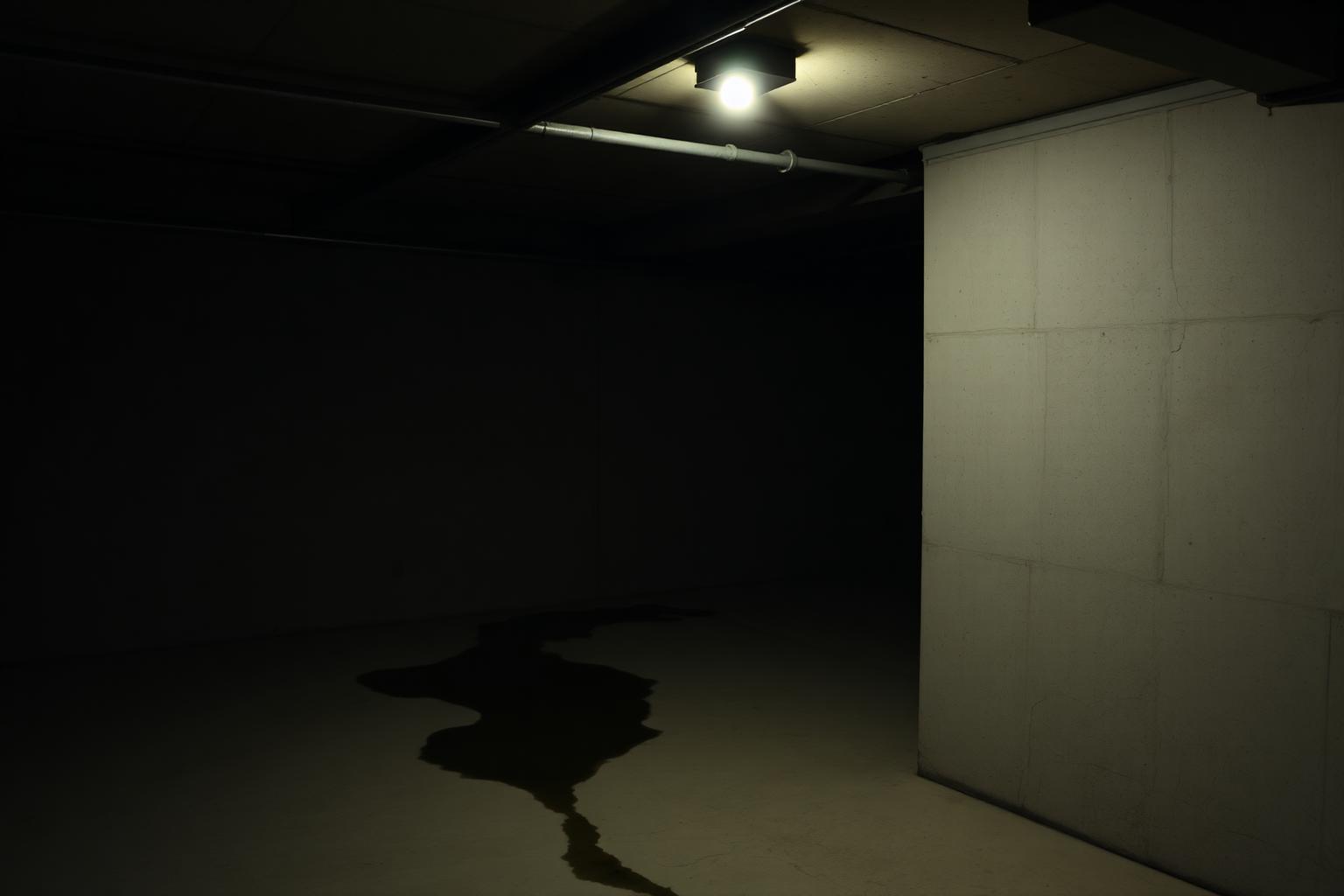
If you live in Suffolk County and your basement smells musty, you have a lot of company. From Patchogue to Riverhead, basement mold is one of the most common reasons homeowners call us. Here's what's actually causing it — and what works to fix it.
Cause 1: Hydrostatic pressure
Much of Suffolk County sits on sandy soil with a relatively shallow water table. After heavy rain, groundwater rises and exerts pressure against basement walls and slabs. Water finds every micro-crack, every cold joint, every gap around plumbing penetrations. Once inside, it doesn't take much to support mold growth on drywall, framing, stored cardboard, and fabrics.
**The fix:** Exterior drainage improvements (regrading, gutter extensions, French drains) address this at the source. Interior solutions (sump pumps, perimeter drains) manage water that's already in. The right answer depends on your specific situation.
Cause 2: HVAC condensation
Many Suffolk homes have furnaces, water heaters, and air handlers in the basement. These appliances generate condensation. Drain lines clog, drain pans overflow, and humid air mixes with cool basement air to produce condensation on every cold surface. Over time, this creates a chronic moisture source.
**The fix:** Annual HVAC service, including drain line cleaning and pan inspection. Adding a whole-house dehumidifier is often transformative.
Cause 3: Dryer venting issues
Improperly vented or disconnected dryer ducts pump moist air directly into the basement. We see this constantly. A single load of laundry can release several pounds of water into the air.
**The fix:** Verify the dryer vents to the exterior with a solid, sealed run. Check the lint trap and the exterior termination.
Cause 4: Finished basements without vapor barriers
Many Suffolk basements were finished in the 1990s and 2000s without proper moisture management. Drywall sits directly against concrete walls, carpet runs across slab floors, and there's no vapor barrier or capillary break. Mold grows behind the drywall and under the carpet, invisible until renovation.
**The fix:** When refinishing, use moisture-tolerant materials — closed-cell foam insulation against concrete, mold-resistant drywall, and hard-surface flooring with proper underlayment.
Cause 5: Plumbing leaks
Slow leaks under sinks, around water heaters, behind washing machines, and at supply line connections can run for years before being noticed. They're the silent killers of basement air quality.
**The fix:** Visual inspection on a quarterly basis. Moisture meters can detect what eyes can't.
Why DIY testing isn't enough
A test kit might tell you "there's mold" — but it can't tell you where it's coming from, how widespread it is, or what to do about it. Our inspection process uses thermal imaging to find hidden moisture, calibrated moisture meters to map the affected area, and lab-analyzed air sampling to quantify the contamination.
The result is a complete picture — and a remediation plan that addresses the cause, not just the symptom.
**Have a musty basement?** HBH serves all of Suffolk County. Call (631) 774-6502.
Keep Reading
Home Systems
Bathroom Mold Prevention: A Long Island Homeowner's Guide
Bathrooms are ground zero for mold in Long Island homes. Here's how to stop it before it starts — from ventilation to grout.

Seasonal
The Long Island Fall Mold Prevention Checklist
Autumn is the most important — and most overlooked — season for mold prevention on Long Island. Use this checklist before winter sets in.