
Home Systems
Bathroom Mold — Prevention and Long-Term Solutions
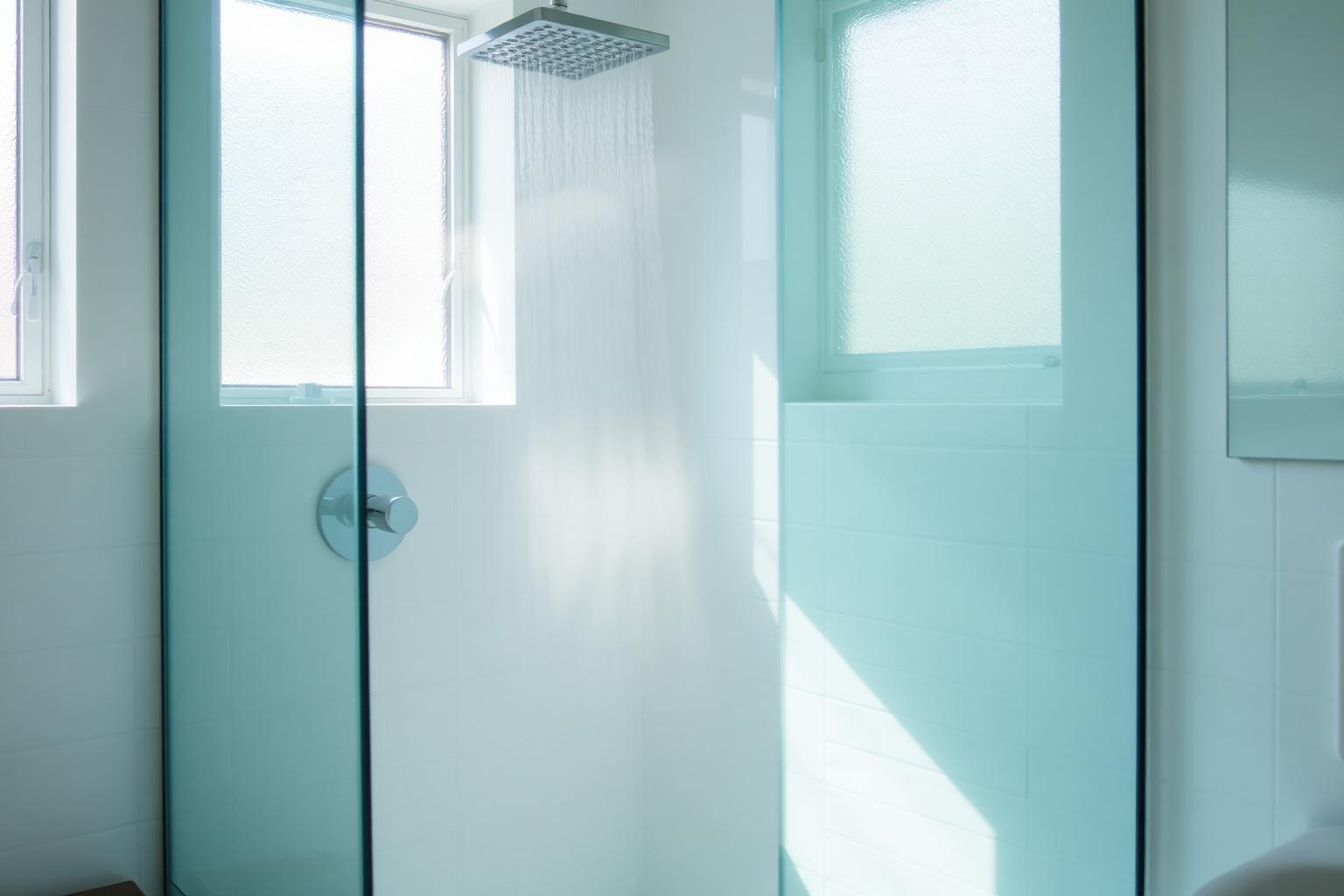
Every bathroom on Long Island has had mold at some point. It's the most humid, most temperature-variable, most water-exposed room in the house. The question isn't whether mold will try to grow — it's how you set up the room to make growth nearly impossible.
Why bathrooms are mold paradise
A typical shower releases 2-4 gallons of water into the air during a 10-minute session. That moisture has to go somewhere. If it doesn't get exhausted to the outside within minutes, it condenses on every cool surface — walls, ceilings, mirrors, fixtures, tile grout — and stays there long enough to support growth.
Add to this the warmth, the soap residue, the skin cells, and the often-poor ventilation, and you have ideal conditions.
The ventilation problem
Most Long Island bathroom exhaust fans are inadequate. Either: - They're too small for the room - They vent into the attic or soffit instead of fully outside - They're old and have lost airflow - They're not used long enough - They're not used at all
A bathroom fan should run during the shower and for at least 20-30 minutes after. Even better: install a humidity-sensing fan that runs automatically until moisture levels drop to safe ranges.
Ventilation sizing
Code requires bathroom fans to move at least 50 CFM (cubic feet per minute), but proper sizing is based on room volume. The rough rule: room volume in cubic feet divided by 7.5 equals the CFM you need. A typical full bath should have a 70-110 CFM fan. Many Long Island homes have 50 CFM units in 90 CFM rooms.
Common bathroom mold problems we find
**Behind the shower wall.** Failing grout, missing caulk, or compromised waterproofing allows water into the wall cavity. Mold grows on the back of drywall and on framing for months before showing on the visible side.
**Ceiling above the shower.** Poor ventilation leads to chronic condensation on the cool ceiling above the wet zone.
**Window frames in older bathrooms.** Single-pane windows in bathrooms are condensation magnets.
**Under sinks.** Slow plumbing leaks support mold in the cabinet base and the back wall.
**Around toilets.** Failing wax rings allow contaminated water to wick into the subfloor.
**Caulk and grout lines.** Once mold establishes in grout, cleaning rarely removes it permanently — it grows in the pores.
Prevention checklist
- Run the exhaust fan during every shower and at least 20 minutes after - Use a humidity-sensing fan if possible - Verify your fan vents to the exterior, not into the attic - Squeegee the shower walls after use - Wipe down condensation from windows, mirrors, and walls - Re-caulk shower edges every 2-3 years - Re-grout when grout starts to crumble or stain - Fix leaks immediately — even tiny ones - Keep humidity below 55% with a dehumidifier if needed - Check under the sink monthly for any moisture
When professional help is needed
Surface mold on caulk or grout is a maintenance issue. But if you see: - Discoloration coming through paint - Bubbling, peeling, or warped surfaces - Soft spots in walls or floors - Persistent musty smell despite cleaning - Mold returning quickly after cleaning
...you likely have moisture inside the wall or floor that requires professional assessment. We use thermal imaging and moisture mapping to find what's hidden.
**Recurring bathroom mold?** Call HBH at (631) 774-6502 for a real solution.
Keep Reading

Home Systems
Bathroom Mold Prevention: A Long Island Homeowner's Guide
Bathrooms are ground zero for mold in Long Island homes. Here's how to stop it before it starts — from ventilation to grout.

Seasonal
The Long Island Fall Mold Prevention Checklist
Autumn is the most important — and most overlooked — season for mold prevention on Long Island. Use this checklist before winter sets in.