
Mold Testing
Black Mold (Stachybotrys) — Separating Fact from Fear
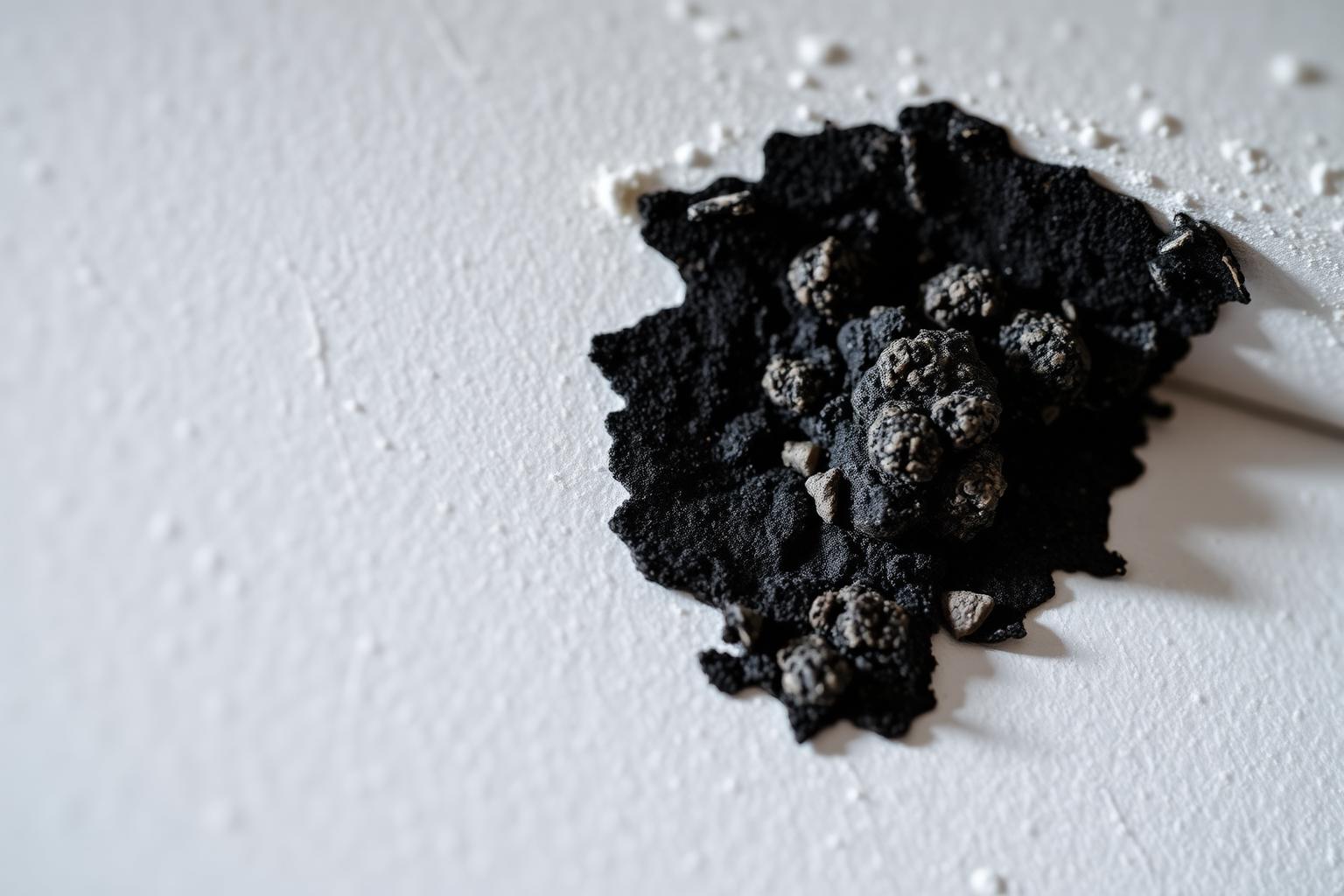
"Black mold" is the boogeyman of the home improvement industry. Search the term and you'll find horror stories, lawsuits, and dramatic warnings. The truth is more nuanced — and more useful.
What "black mold" actually means
The term most often refers to *Stachybotrys chartarum*, a greenish-black mold that grows on cellulose-rich materials (drywall, ceiling tile, cardboard, wood) when they remain wet for an extended period. It's also called *Stachybotrys chartarum* or simply *Stachy* in the industry.
It's important to know that many molds appear black — *Cladosporium*, *Aspergillus niger*, *Alternaria*, and others can all look dark. You can't identify *Stachybotrys* by sight. Only laboratory analysis can confirm species.
Is it more dangerous than other molds?
This is where myth and reality diverge. *Stachybotrys* produces mycotoxins under certain conditions, and exposure has been linked to a range of health effects in sensitive individuals — respiratory issues, headaches, fatigue, neurological symptoms in some studies. However, the medical literature is actually less alarmist than popular media suggests. Other common indoor molds, including *Aspergillus* and *Penicillium*, also produce mycotoxins and can cause serious health effects.
The honest answer: *Stachybotrys* is a serious finding that warrants prompt remediation, but it's not uniquely catastrophic. Any significant mold contamination should be taken seriously.
What conditions does Stachybotrys need?
*Stachybotrys* requires: - Cellulose food source (paper face on drywall is its favorite) - Sustained wetness — usually 1-2 weeks of continuous moisture - Moderate temperatures - Time
This is why *Stachybotrys* is associated with major water events: burst pipes, sustained roof leaks, sewage backups, flooding. A spilled glass of water on the kitchen floor doesn't grow it. A pipe leak inside a wall cavity that goes undetected for three months absolutely does.
What you should do if you suspect it
1. **Don't touch it, disturb it, or try to clean it yourself.** Disturbing the colony aerosolizes spores. 2. **Don't ignore it.** Even if you're not particularly sensitive, prolonged exposure isn't healthy. 3. **Get a professional assessment.** A CIE can confirm species, identify the moisture source, and define the affected area. 4. **Remediate properly.** This means containment, HEPA filtration, removal of contaminated materials, and post-remediation verification — not bleach in a spray bottle.
What we see in Long Island homes
On Long Island, we encounter *Stachybotrys* most often in: - Basements after hurricane or storm events - Behind bathroom walls with chronic plumbing leaks - In attics with long-standing roof leaks - Inside HVAC systems with drain pan failures - Crawl spaces with elevated humidity and no vapor barrier
In every case, addressing the moisture source is more important than the cleanup itself. Remediate without fixing the source, and the mold comes back.
**Found something black and growing?** Don't panic — and don't ignore it. Call HBH at (631) 774-6502 for a professional assessment.
Keep Reading
Home Systems
Bathroom Mold Prevention: A Long Island Homeowner's Guide
Bathrooms are ground zero for mold in Long Island homes. Here's how to stop it before it starts — from ventilation to grout.
Seasonal
The Long Island Fall Mold Prevention Checklist
Autumn is the most important — and most overlooked — season for mold prevention on Long Island. Use this checklist before winter sets in.