
Home Systems
Crawl Space Encapsulation on Long Island — Is It Worth It?
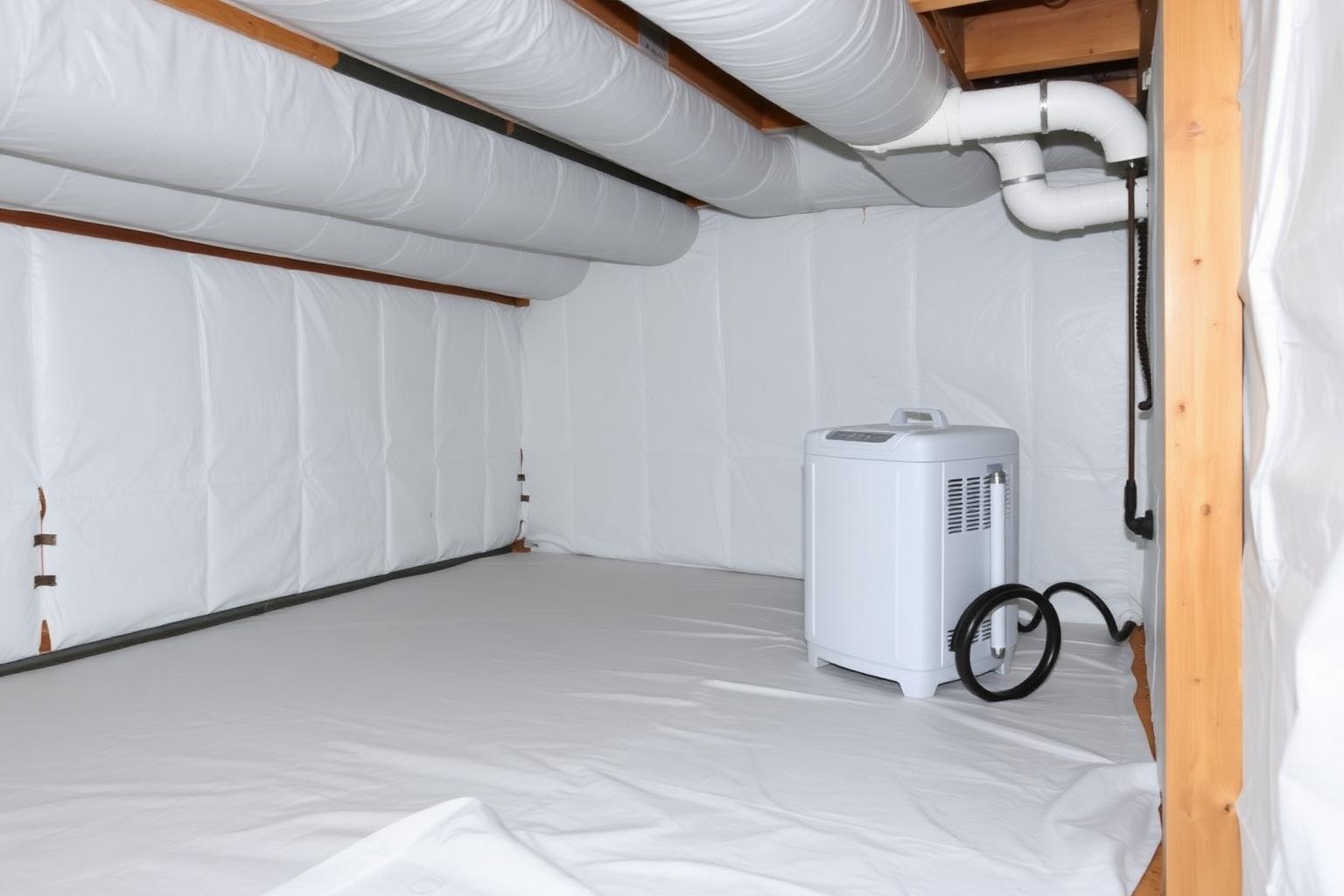
Crawl spaces are out of sight and out of mind for most homeowners — until they become a problem. On Long Island, where humidity is high and water tables are shallow, traditional vented crawl spaces are increasingly recognized as design failures. Here's the case for encapsulation, and how to know if your home would benefit.
What's wrong with vented crawl spaces
The building code traditionally required vents in crawl space walls to "let moisture out." The theory was that outside air would dry the space. The reality is the opposite: in our climate, warm humid summer air enters the crawl space, hits cooler surfaces (ductwork, plumbing, the cool ground), and condenses. The crawl space becomes a giant condensation chamber.
Research from Building Science Corporation and others has confirmed what we see in the field: vented crawl spaces in humid climates are actively harmful. They breed mold, rot framing, support pest infestations, and degrade indoor air quality throughout the home.
What "encapsulation" actually means
A properly encapsulated crawl space:
1. **Has all vents permanently sealed.** 2. **Has a continuous heavy-duty vapor barrier** covering the ground and extending up the walls. 3. **Has insulation on the walls** (not the floor joists above). 4. **Has dehumidification** — either dedicated equipment or supply air from the conditioned space. 5. **Has air sealing** at the rim joist and any penetrations. 6. **Is accessible for inspection and maintenance.**
Done correctly, encapsulation turns the crawl space into a semi-conditioned, dry, clean space that supports the home's overall health.
The stack effect connection
Here's something most homeowners don't realize: roughly 40-60% of the air you breathe upstairs originates in your crawl space or basement. Warm air rises through the house, drawing replacement air up from below through countless small gaps in the floor system. Whatever is in your crawl space — humidity, mold spores, pest debris, off-gassing materials — comes into your living space.
This is why a damp, moldy crawl space affects your bedroom air quality even though you never go down there.
When encapsulation is worth it
Strongly consider encapsulation if: - Your crawl space has standing water or chronic dampness - You smell musty odors in the home, especially on the first floor - Family members have unexplained allergy or respiratory symptoms - You see visible mold or efflorescence on crawl space walls - Insulation is sagging, wet, or has fallen - You've found pest activity in the crawl space - Your home is heated with ducts running through the crawl space - You're planning a major renovation and have access
When it might not be necessary
Skip or defer encapsulation if: - Your crawl space is genuinely dry (rare on Long Island, but possible) - The structure has no insulation between the crawl and the living space and you're planning to insulate the floor joists with closed-cell foam - The cost-benefit doesn't pencil out for your specific situation
Typical investment
Quality crawl space encapsulation on Long Island typically runs $8,000-$25,000 depending on size, accessibility, and existing conditions. It's not cheap — but it's often the single highest-impact indoor air quality improvement you can make.
What HBH does in this space
We don't sell encapsulation services — we assess and document. If your home needs encapsulation, we'll tell you, identify any existing contamination that must be addressed first, and provide documentation you can take to qualified encapsulation contractors. Post-installation, we can verify that the work was done properly and that air quality has improved.
**Concerned about your crawl space?** Call HBH at (631) 774-6502 for an independent assessment.
Keep Reading
Home Systems
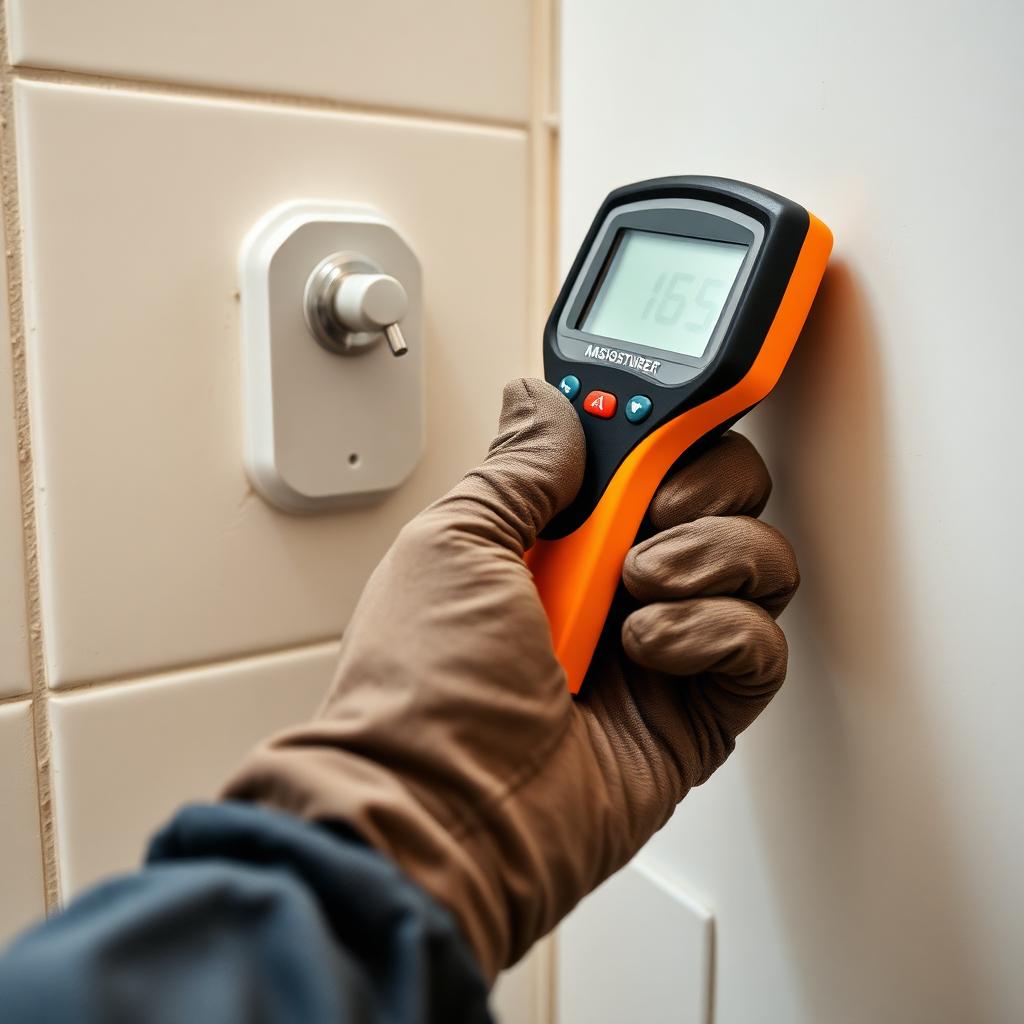
Bathroom Mold Prevention: A Long Island Homeowner's Guide
Bathrooms are ground zero for mold in Long Island homes. Here's how to stop it before it starts — from ventilation to grout.
Seasonal
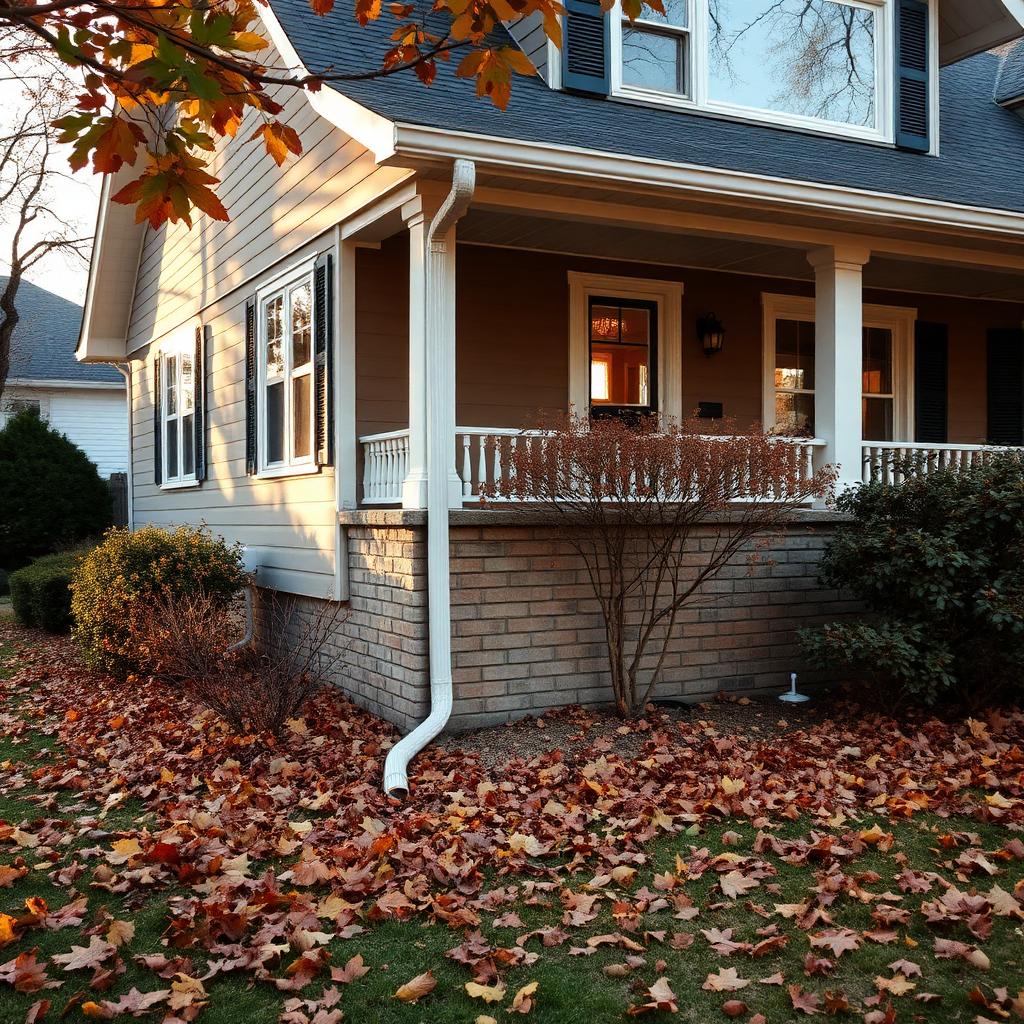
The Long Island Fall Mold Prevention Checklist
Autumn is the most important — and most overlooked — season for mold prevention on Long Island. Use this checklist before winter sets in.