
Mold Basics
How Coastal Humidity in the Hamptons Drives Mold Growth
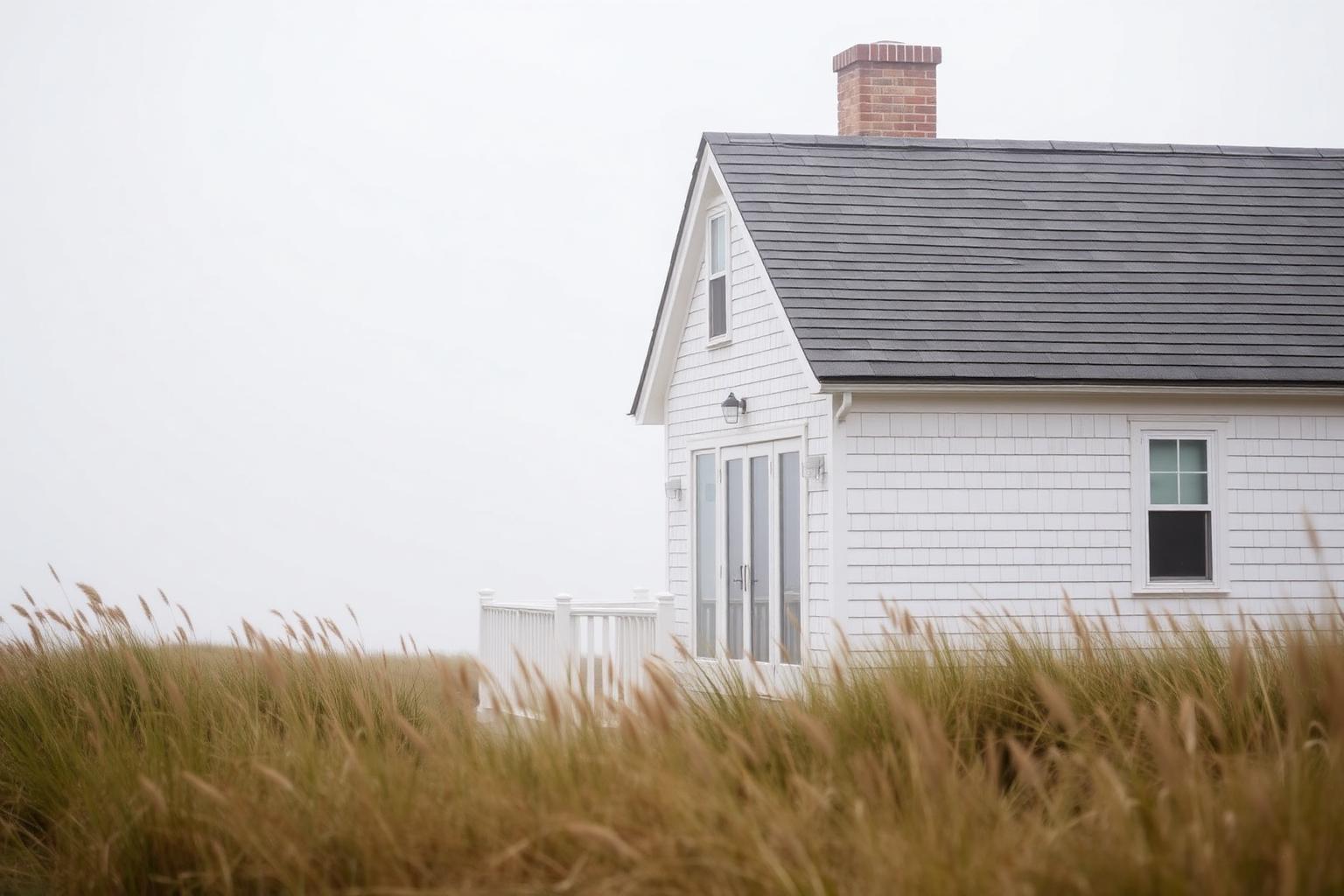
There's a reason Hamptons homeowners are some of our most frequent clients. Oceanfront living is beautiful — and brutal on a building envelope. From Westhampton Beach to Montauk Point, the combination of salt air, persistent humidity, and seasonal vacancy creates a near-perfect storm for mold.
The salt air factor
Salt is hygroscopic, meaning it actively pulls moisture out of the air. When salt particles deposit on siding, window frames, and roof materials, they create permanent micro-humidity zones. Even on a dry day, those surfaces hold moisture longer than they would inland.
That moisture works its way into wood, drywall, and insulation. Over years, the cumulative effect is significant — especially in homes that aren't continuously occupied and conditioned.
The seasonal vacancy problem
Many Hamptons properties are second homes. They sit closed up from October through May with the HVAC off or running minimally. Without active dehumidification, indoor humidity rises to match outdoor humidity. In the spring, when the first warm days hit, condensation forms on every cold surface inside the house — and mold growth accelerates.
We frequently inspect Hamptons homes in May and June where mold has bloomed across closets, basements, and HVAC systems during the off-season. The owner walks in for Memorial Day weekend and is stunned.
The cathedral ceiling problem
Modern Hamptons construction often features dramatic vaulted ceilings, exposed beams, and cathedral spaces. These designs are gorgeous — and notoriously difficult to ventilate. Warm, humid air rises to the peak, hits cool roof sheathing, and condenses inside the cavity. The result is hidden mold growth that's invisible from below but visible on thermal imaging.
The pool house and guest cottage problem
Detached structures — pool houses, guest cottages, garage apartments — are even more vulnerable than the main home. They're typically less insulated, less conditioned, and rarely checked. We routinely find significant contamination in these structures.
What Hamptons homeowners should do
1. **Maintain a setpoint** — Even when the house is empty, keep HVAC running with a 55-60% relative humidity target. Smart thermostats make this easy. 2. **Schedule shoulder-season inspections** — Have a professional check the home in late spring before the family arrives, and in late fall after closing it up. 3. **Watch the HVAC** — Coastal salt corrodes coils and damages drain pans. Have systems serviced annually. 4. **Don't ignore minor leaks** — A small roof leak or window seal failure in October becomes a major mold problem by May.
HBH inspects properties across the Hamptons regularly — Sag Harbor, Bridgehampton, Sagaponack, Amagansett, Wainscott, Montauk, Shelter Island, and beyond. Our reports include a remediation roadmap and documentation suitable for insurance or real estate transactions.
**Planning a property check this season?** Call HBH at (631) 774-6502 or schedule online.
Keep Reading
Home Systems
Bathroom Mold Prevention: A Long Island Homeowner's Guide
Bathrooms are ground zero for mold in Long Island homes. Here's how to stop it before it starts — from ventilation to grout.
Seasonal
The Long Island Fall Mold Prevention Checklist
Autumn is the most important — and most overlooked — season for mold prevention on Long Island. Use this checklist before winter sets in.