
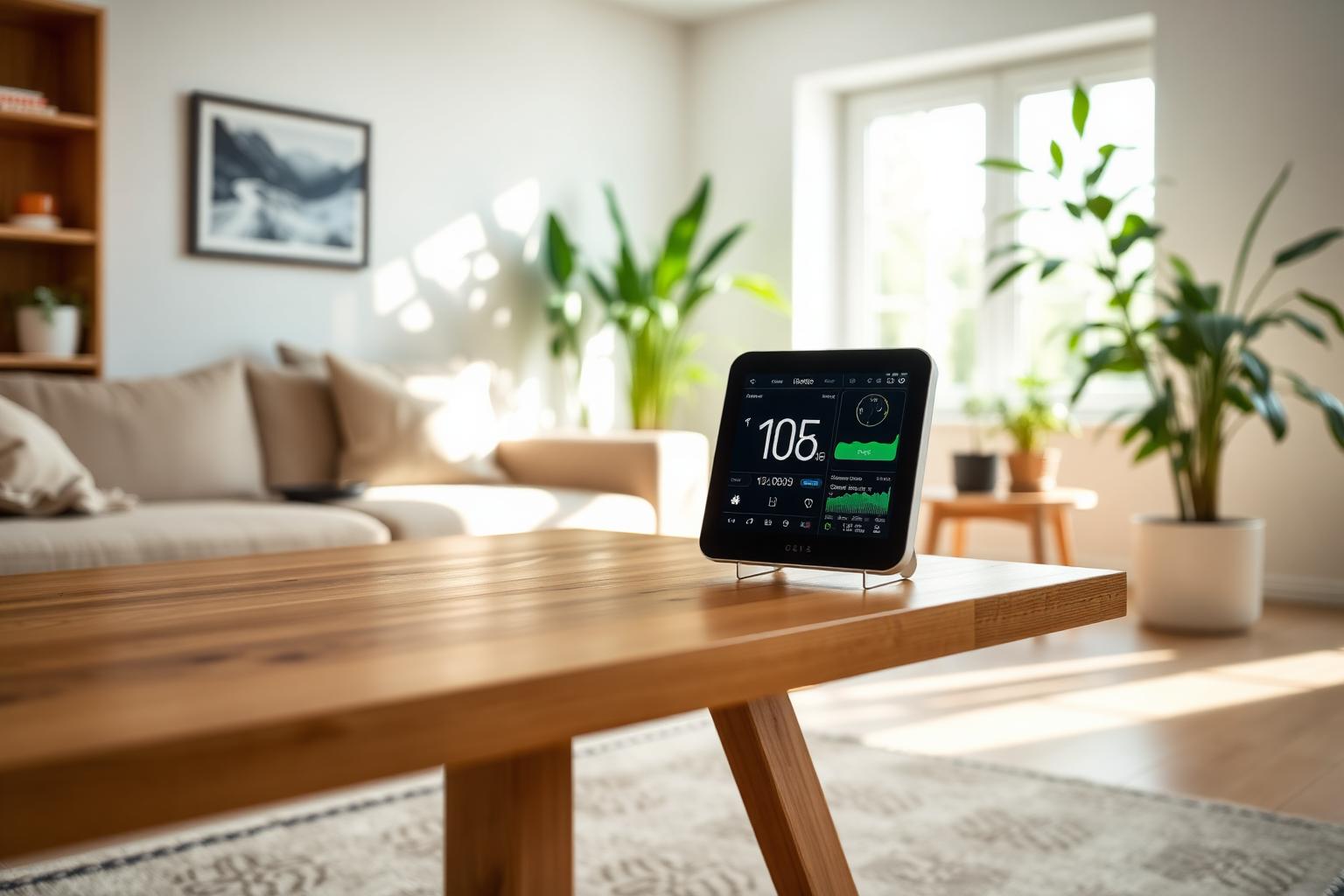
We're known for mold work, but mold is one part of a larger picture. Comprehensive indoor air quality (IAQ) includes biological contaminants, chemical contaminants, particulates, and environmental factors. Here's what's actually in your home's air — and what you can do about it.
Biological contaminants
**Mold spores** — covered extensively in our other articles.
**Bacterial contaminants** — particularly in HVAC systems with biofilm growth, humidifiers, and standing water.
**Dust mites** — microscopic organisms that thrive in mattresses, bedding, upholstery, and carpets. Major allergy trigger.
**Pet dander** — even after pets are removed, dander can persist for months.
**Pollen** — infiltrates through HVAC and open windows. Particularly heavy on Long Island during spring tree pollen and late summer ragweed seasons.
**Pest debris** — cockroach allergen, rodent droppings, dust mite waste — all common asthma triggers.
Chemical contaminants
**Volatile organic compounds (VOCs)** — gases released from paints, finishes, adhesives, cleaning products, air fresheners, new furniture, new flooring, and many other sources. Includes formaldehyde, benzene, toluene, and hundreds of others.
**Combustion byproducts** — carbon monoxide, nitrogen dioxide, particulates from gas stoves, furnaces, water heaters, fireplaces, candles, and tobacco smoke.
**Radon** — naturally occurring radioactive gas that seeps from soil into basements. Long Island has moderate radon levels in some areas. Testing is essential and inexpensive.
**Pesticides and herbicides** — tracked in from outside or used directly in the home.
**Tobacco smoke residue** — even in homes that haven't been smoked in for years, residue (third-hand smoke) persists in carpets, walls, and HVAC systems.
Particulate matter
**PM2.5 and PM10** — fine particles measured by size. Sources include cooking, candles, fireplaces, traffic infiltration, wildfire smoke (an increasing issue), and outdoor pollution.
**Fiber particles** — fiberglass from insulation, synthetic fibers from carpets and clothing.
**Soot** — from candles, fireplaces, and cooking, particularly with gas stoves.
Environmental factors
**Humidity** — too high (above 60%) supports mold and dust mites; too low (below 30%) damages respiratory tissue and dries out wood and finishes.
**Temperature stratification** — uneven heating creates condensation zones.
**CO2 levels** — high CO2 indicates poor ventilation, which often correlates with high concentrations of everything else.
**Air exchange rate** — how often the home's air is replaced with outdoor air. Modern tightly-built homes often have insufficient ventilation.
How we test for IAQ comprehensively
Our IAQ assessments can include: - Mold spore counts (air and surface sampling) - VOC analysis (TVOC measurement plus specific compound identification) - Particulate matter sampling - CO2 monitoring - Humidity and temperature mapping over time - Radon testing (long-term and short-term protocols) - Combustion gas safety checks - Formaldehyde-specific testing - Bacterial and endotoxin sampling when warranted
Not every home needs every test. We tailor the assessment to your concerns, symptoms, and home characteristics.
What you can do today
Even without testing, you can improve IAQ:
- Replace HVAC filters monthly with MERV 11+ filters - Run bathroom and kitchen exhaust fans - Open windows when weather permits - Use a quality HEPA air purifier in bedrooms - Maintain 40-55% humidity - Reduce VOC sources (low-VOC paints, no air fresheners, off-gas new furniture in garage first) - Vacuum with HEPA-filtered vacuum weekly - Wash bedding in hot water weekly - Don't burn candles or incense - Cook with kitchen exhaust running - Take shoes off at the door - Test for radon — every Long Island home should know its number
When professional testing is worth it
Consider professional IAQ testing if: - Family members have unexplained respiratory or neurological symptoms - You're moving into a new home or recently renovated - You're concerned about a specific exposure - You have small children or elderly residents - Someone in the home has asthma, allergies, or chemical sensitivity - You want a baseline before making indoor air investments
**Want to know what's in your air?** Call HBH at (631) 774-6502 for a comprehensive assessment.
Keep Reading
Home Systems
Bathroom Mold Prevention: A Long Island Homeowner's Guide
Bathrooms are ground zero for mold in Long Island homes. Here's how to stop it before it starts — from ventilation to grout.
Seasonal
The Long Island Fall Mold Prevention Checklist
Autumn is the most important — and most overlooked — season for mold prevention on Long Island. Use this checklist before winter sets in.