
Air Quality
Mold and Pets — How Indoor Air Quality Affects Your Animals
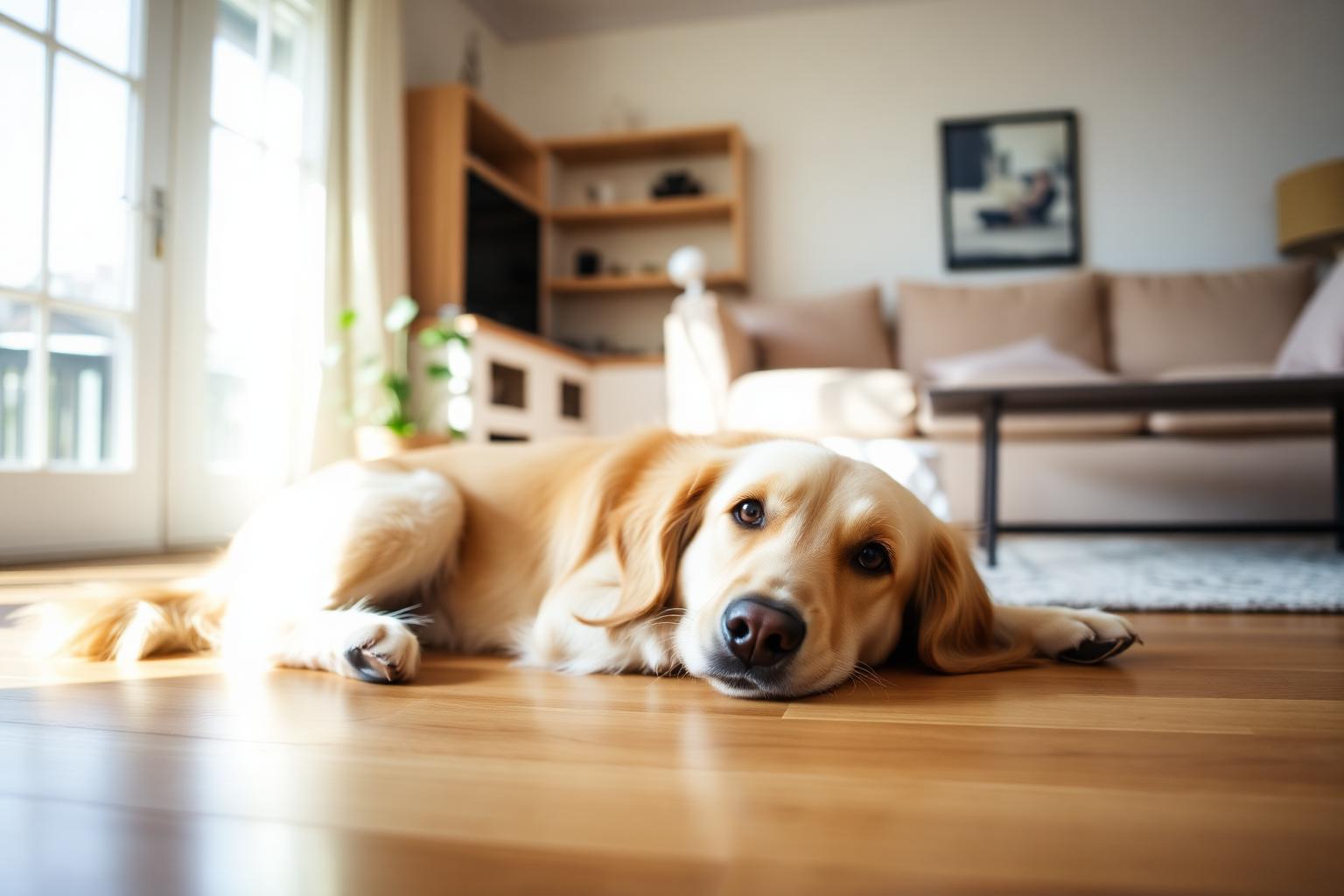
If you have pets, they're closer to the air quality problem than you are. Cats and dogs spend more time at floor level, where heavier mold spores concentrate. Small mammals, birds, and reptiles often live in spaces with limited ventilation. Pets aren't just affected by indoor air quality issues — they're often the first to show symptoms.
How pets react to mold exposure
**Dogs** — Symptoms can include excessive itching, ear infections, paw licking, respiratory issues, lethargy, reduced appetite, and digestive upset. Some breeds (Bulldogs, Boxers, Pugs) are particularly sensitive due to respiratory anatomy.
**Cats** — Respiratory symptoms (wheezing, coughing, sneezing) are most common. Cats with feline asthma deteriorate significantly in mold-affected homes. Skin issues and excessive grooming may also occur.
**Birds** — Birds have extremely sensitive respiratory systems and are particularly vulnerable. Aspergillosis (a fungal infection from *Aspergillus* spores) is a serious disease in pet birds and can be fatal.
**Small mammals (rabbits, guinea pigs)** — Often kept in bedrooms or basements where mold is most likely. Respiratory issues are common.
**Reptiles** — Some species are highly sensitive to humidity changes and mold exposure.
Why pets often show symptoms first
Several factors put pets at higher risk:
- Smaller body size means greater dose per pound - Faster breathing rates mean more total exposure - Less variation in environment (humans leave the home for work, school, errands; pets often don't) - Closer to floor where particulate matter settles - Constant ground contact and surface licking transfers contaminants - Pet bedding accumulates allergens and microbial contaminants - Pets can't tell you when they feel sick — symptoms must be severe to be noticed
What we hear from clients
Common pet-related stories we hear during inspections:
- "Our dog has been on three different allergy medications and nothing works." - "The cat won't go in the basement anymore — she used to love it down there." - "Our parakeet died suddenly and the vet mentioned it might have been air quality." - "Both dogs have recurring ear infections — the vet asked if we had any indoor air issues."
When we inspect and find mold or other IAQ problems, and the family addresses them, pet symptoms often improve along with human symptoms.
What to discuss with your veterinarian
If you suspect environmental factors are affecting your pet:
- Provide a detailed home history — water events, renovations, age of home, location - Note timing of symptoms in relation to seasons or specific rooms - Ask whether environmental allergy testing is appropriate - Discuss whether an empirical "remove from environment" trial makes sense (boarding the pet for a few weeks to see if symptoms improve) - Bring any IAQ test results you have
Reducing pet exposure to indoor allergens
While you're investigating or remediating:
- Run HEPA air purifiers in rooms where pets spend the most time - Wash pet bedding weekly in hot water - Vacuum daily with HEPA-filtered vacuum - Wipe down pets' paws and coats after time outside - Don't let pets sleep in basements, attics, or other potentially affected spaces - Consider grooming with mold-killing shampoos if recommended by vet - Improve overall ventilation in pet areas
The bottom line
Pet health and human health share the same indoor environment. When pets show unexplained symptoms — particularly respiratory or chronic skin issues — air quality should be part of the investigation. We've had clients tell us that finally diagnosing and remediating a home mold problem resolved months of frustrating veterinary visits.
**Worried about your home's air for everyone's sake?** Call HBH at (631) 774-6502.
Keep Reading
Home Systems
Bathroom Mold Prevention: A Long Island Homeowner's Guide
Bathrooms are ground zero for mold in Long Island homes. Here's how to stop it before it starts — from ventilation to grout.

Seasonal
The Long Island Fall Mold Prevention Checklist
Autumn is the most important — and most overlooked — season for mold prevention on Long Island. Use this checklist before winter sets in.