
Commercial
Mold and Rental Properties — A Guide for Long Island Landlords and Tenants
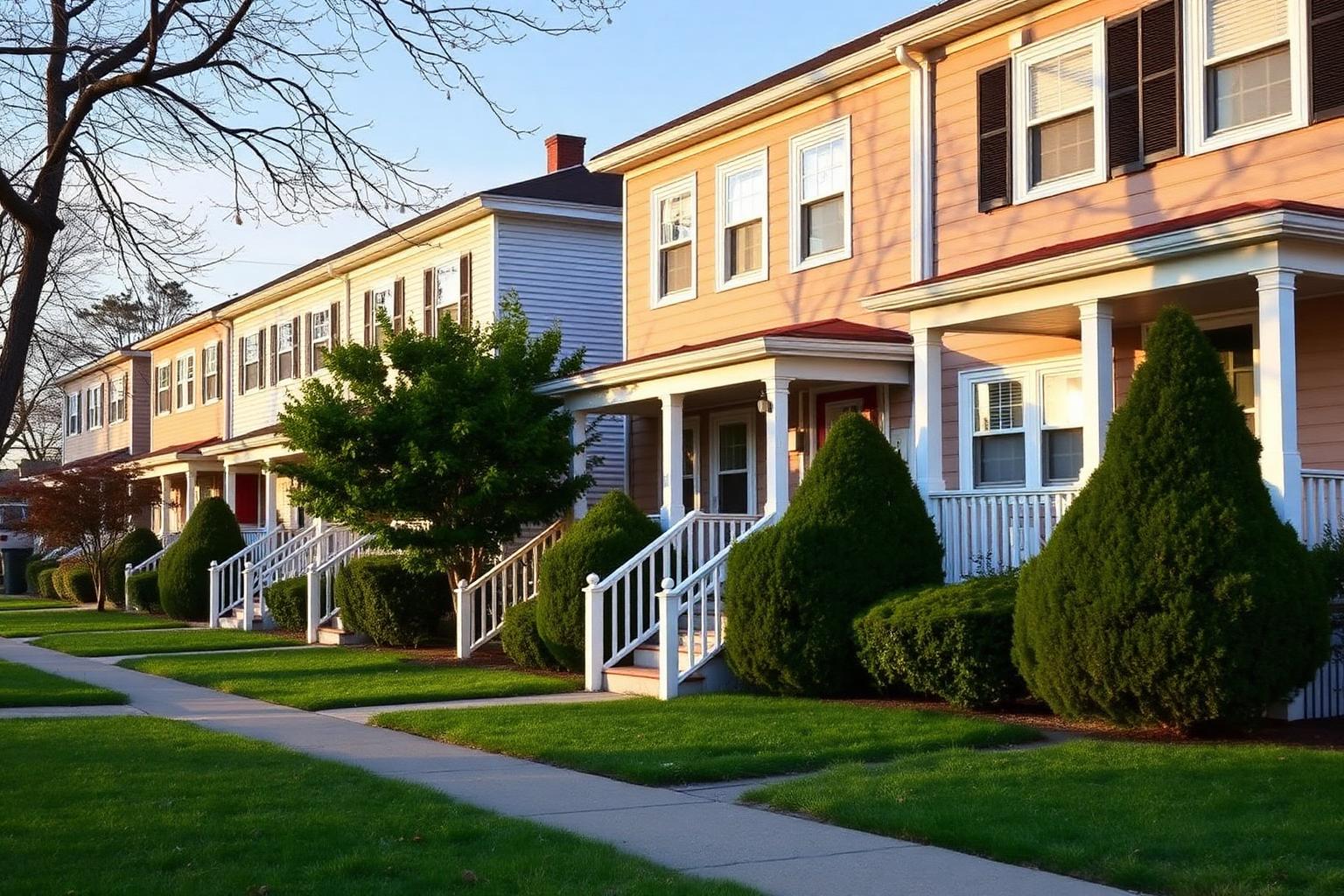
Mold in rental property creates conflict. Tenants worry about health. Landlords worry about cost and liability. The legal framework in New York is evolving, and good information helps everyone. Here's a practical guide for both sides.
The legal landscape in New York
New York's mold-related regulations focus heavily on remediation: Article 32 of the New York Labor Law (the Mold Inspection and Remediation Worker Licensing law) sets licensing requirements for mold remediation contractors above certain project sizes. The state requires that anyone performing mold assessment or remediation of more than 10 square feet be licensed.
For tenants, the New York "warranty of habitability" applies — landlords must maintain rental property in habitable condition, and significant mold contamination can constitute a habitability violation.
For landlords, the obligations include addressing known mold issues, responding to tenant complaints in a reasonable timeframe, and conducting remediation in compliance with state licensing requirements.
This is general information, not legal advice. Specific situations benefit from consultation with a qualified attorney.
Landlord responsibilities
Landlords on Long Island should:
**Investigate complaints promptly.** Documented tenant complaints about mold or moisture create legal exposure if ignored. Inspect within days, not weeks.
**Address root causes.** Painting over mold or surface cleaning doesn't fix the problem. Plumbing leaks, roof leaks, drainage issues, and ventilation problems must be repaired.
**Hire licensed contractors.** For any significant mold remediation in New York, use licensed remediation contractors. Unlicensed work creates legal and quality problems.
**Document everything.** Keep records of complaints, inspections, repairs, and remediation work. This documentation protects in disputes.
**Disclose known issues.** Selling or transferring rental property with known mold issues without disclosure creates exposure.
**Maintain proactively.** Annual HVAC service, gutter maintenance, roof inspection, and basement/crawl space monitoring prevent problems.
Tenant rights and recommendations
Tenants should:
**Document everything.** Photos with dates, written communications, kept copies of all maintenance requests. Verbal complaints don't exist legally.
**Request in writing.** Email or certified mail creates record. Texts work if preserved.
**Don't withhold rent rashly.** New York has procedures for habitability complaints. Improper rent withholding can lead to eviction. Consult an attorney before withholding.
**Don't try to remediate yourself.** Tenants generally aren't responsible for mold remediation — that's landlord work. Don't bleach walls and call it done.
**Consider independent inspection.** A professional inspection provides documentation that supports your position with the landlord.
**Know when to escalate.** If a landlord refuses to address documented mold issues, options include: - Filing complaints with local code enforcement - Withholding rent through proper legal channels - Suing for habitability violations - Breaking the lease for habitability failure - Pursuing health-related damages
What we provide for rental disputes
HBH provides independent third-party inspection that documents conditions without bias toward either party. Our reports:
- Establish current conditions with photos and measurements - Identify likely causes - Document health-relevant findings (species, spore counts) - Provide remediation roadmap suitable for landlord use - Are prepared in formats acceptable to courts, code enforcement, and insurance
We work with both landlords and tenants. Our incentive is accurate assessment, not taking sides.
Common Long Island rental property issues
**Basement apartments.** Basement units have inherent moisture risks. Many Long Island basement apartments don't meet egress and ventilation standards required for legal habitation.
**Older multi-family homes.** Two-family, three-family, and multi-unit buildings have shared systems where one unit's problem affects others.
**Hamptons rental properties.** Summer rentals with seasonal occupancy patterns create cyclical moisture issues.
**Section 8 and subsidized housing.** Specific HUD standards apply, with inspection protocols for housing quality.
**Commercial rentals.** Office and retail tenants face similar issues with even more complex liability between owner, property manager, and tenant.
Preventing disputes
For landlords: - Conduct move-out and move-in inspections that document baseline conditions - Include indoor air quality language in leases that clarifies responsibilities - Schedule annual property maintenance proactively - Respond to tenant concerns immediately
For tenants: - Conduct move-in inspections that document existing conditions - Run exhaust fans and maintain reasonable ventilation - Report leaks and moisture issues immediately - Don't create conditions that lead to mold (improper ventilation, blocking HVAC returns, etc.)
**Landlord or tenant with a mold concern?** HBH provides independent assessment. Call (631) 774-6502.
Keep Reading
Home Systems
Bathroom Mold Prevention: A Long Island Homeowner's Guide
Bathrooms are ground zero for mold in Long Island homes. Here's how to stop it before it starts — from ventilation to grout.
Seasonal
The Long Island Fall Mold Prevention Checklist
Autumn is the most important — and most overlooked — season for mold prevention on Long Island. Use this checklist before winter sets in.