
Storm & Water Damage
After the Storm — Mold Risks After Hurricanes and Nor'easters
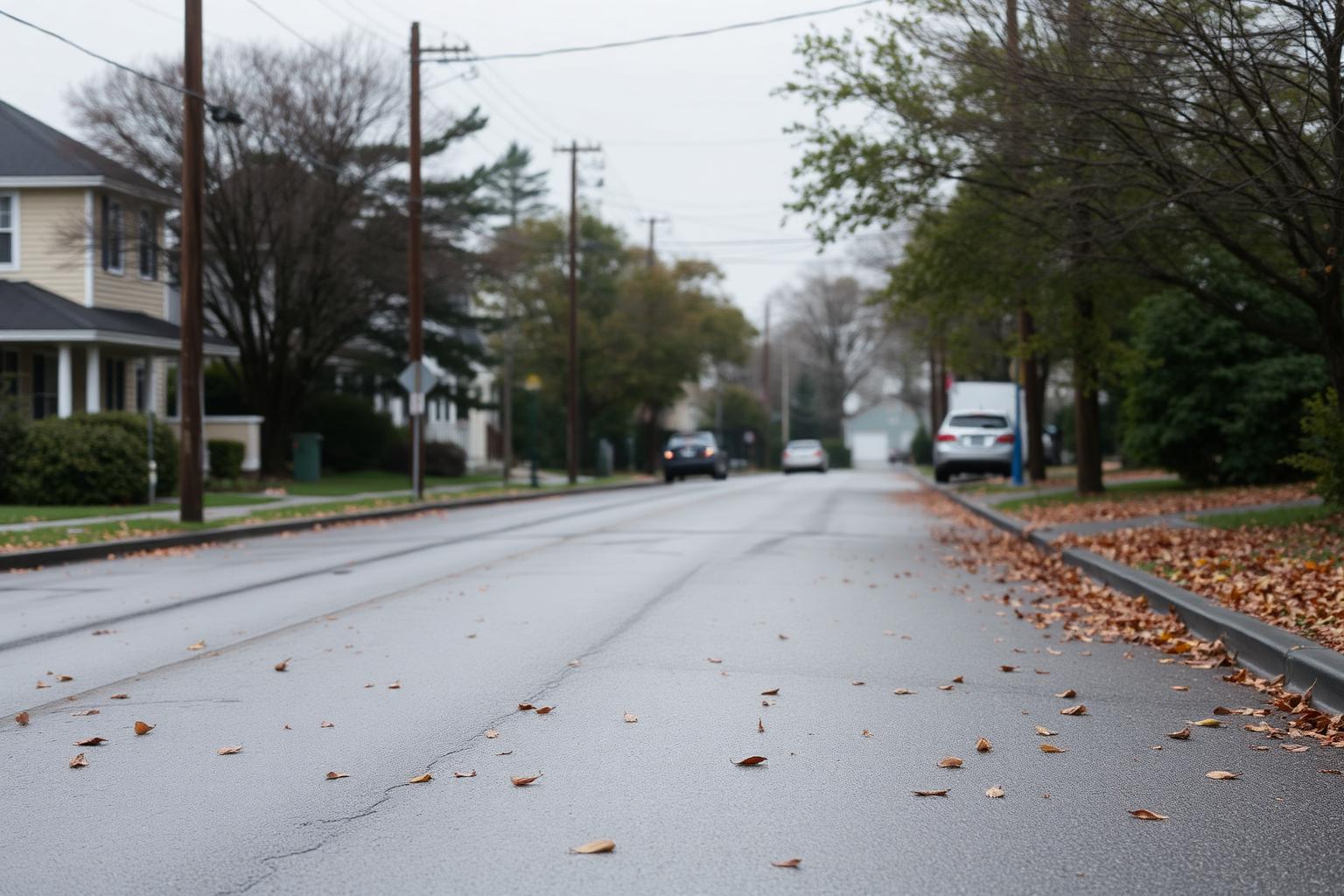
Long Island has weathered Hurricane Sandy, multiple major nor'easters, and increasingly intense rainfall events in recent years. Even when storm damage isn't catastrophic, every significant weather event creates conditions for mold growth that may not show up for weeks or months. Here's what to inspect after the next storm.
The 48-hour rule
Mold growth typically begins within 24-48 hours of materials becoming wet. Once that window closes, you're not just drying — you're remediating. This is why rapid action after storm exposure is critical.
The challenge: many moisture intrusions aren't obvious. Water tracks through wall cavities, finds low spots in floors, soaks insulation from the top down, and pools in places you can't see.
Where storms cause hidden moisture
**Wind-driven rain through siding.** Hurricane-force winds push water sideways through siding seams, around windows, and under flashing. The exterior may dry quickly while the interior of the wall stays wet for weeks.
**Roof leaks that don't show on the ceiling.** A small lifted shingle can dump water into the attic that runs down rafters and into wall cavities, never appearing as a ceiling stain.
**Window seal failures.** Older window seals fail under storm pressure. Water enters at the sill and soaks into the framing below.
**Foundation infiltration.** Saturated soil drives water through hairline foundation cracks and at the joint between wall and footing.
**Sewer backups.** Storm surge and overwhelmed sewers can push contaminated water into basements through floor drains and toilets.
**Sump pump failures.** Power outages knock out sump pumps exactly when they're most needed.
**HVAC condensate issues.** Power cycling during storms can disrupt HVAC operation in ways that affect humidity control for days.
What to do in the first 48 hours
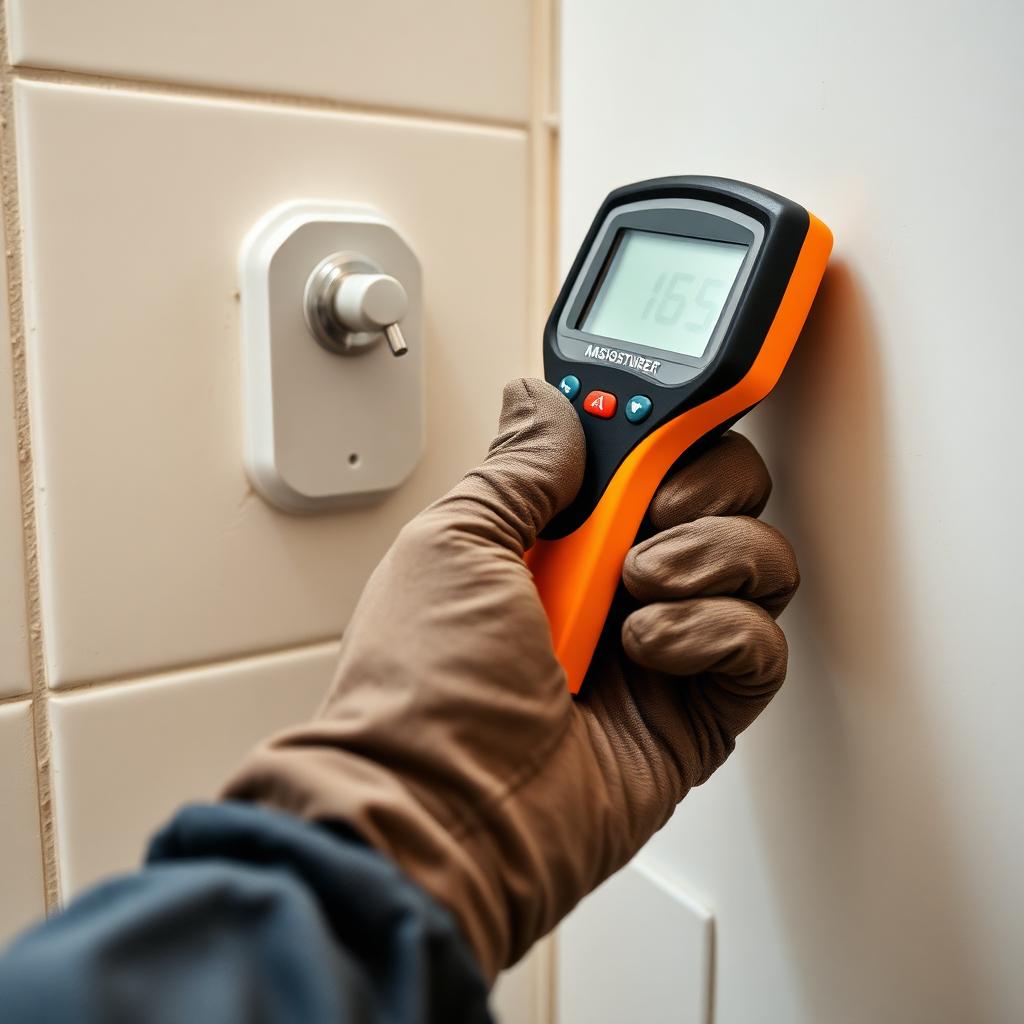
1. **Document everything.** Photo and video every affected area before cleanup. 2. **Move wet items out of the building** if possible — carpets, furniture, paper materials. 3. **Get airflow on every wet surface** — fans, dehumidifiers, open windows if humidity allows. 4. **Don't run carpet on top of wet subfloor** — pull it up. 5. **Open wet wall cavities** if you have any suspicion of internal moisture — drill weep holes at the base of suspect walls and use moisture meters. 6. **Call your insurance company** immediately. Document the call. 7. **Don't use bleach on porous materials** — it doesn't remediate mold and damages materials.
What to inspect 30-60 days post-storm
This is when hidden problems start showing. Schedule a professional inspection if:
- Any part of your home took water during the storm - Anyone in the household is experiencing unexplained symptoms - You smell anything musty or unusual - You see any staining that wasn't there before - You notice paint changes, bubbling, or warping - Your basement humidity stays elevated despite running dehumidification - HVAC drainage seems off
Insurance considerations
Most standard homeowner's insurance does *not* cover mold damage. Some policies provide limited coverage if the underlying water damage is a covered cause. Documentation is everything.
A professional inspection report with lab results provides the documentation insurers need to evaluate claims. Trying to make a claim months later without contemporary documentation rarely works.
Special concern: sewage exposure
If your home took on water from sewer backup or flooding from contaminated sources, the issue isn't just mold — it's bacterial contamination, parasites, and other pathogens. Sewage-affected materials must be properly removed and the area properly cleaned. This isn't DIY work.
What we provide post-storm
After major weather events, HBH provides: - Moisture mapping to identify hidden wet areas - Documentation suitable for insurance claims - Lab-analyzed air sampling - Remediation roadmaps prioritized by urgency - Coordination with abatement contractors when needed - Post-remediation verification
**Recovering from a storm?** Don't wait for symptoms to appear. Call HBH at (631) 774-6502.
Keep Reading
Home Systems
Bathroom Mold Prevention: A Long Island Homeowner's Guide
Bathrooms are ground zero for mold in Long Island homes. Here's how to stop it before it starts — from ventilation to grout.
Seasonal
The Long Island Fall Mold Prevention Checklist
Autumn is the most important — and most overlooked — season for mold prevention on Long Island. Use this checklist before winter sets in.