
Air Quality
Renovating an Older Long Island Home — Indoor Air Quality Considerations
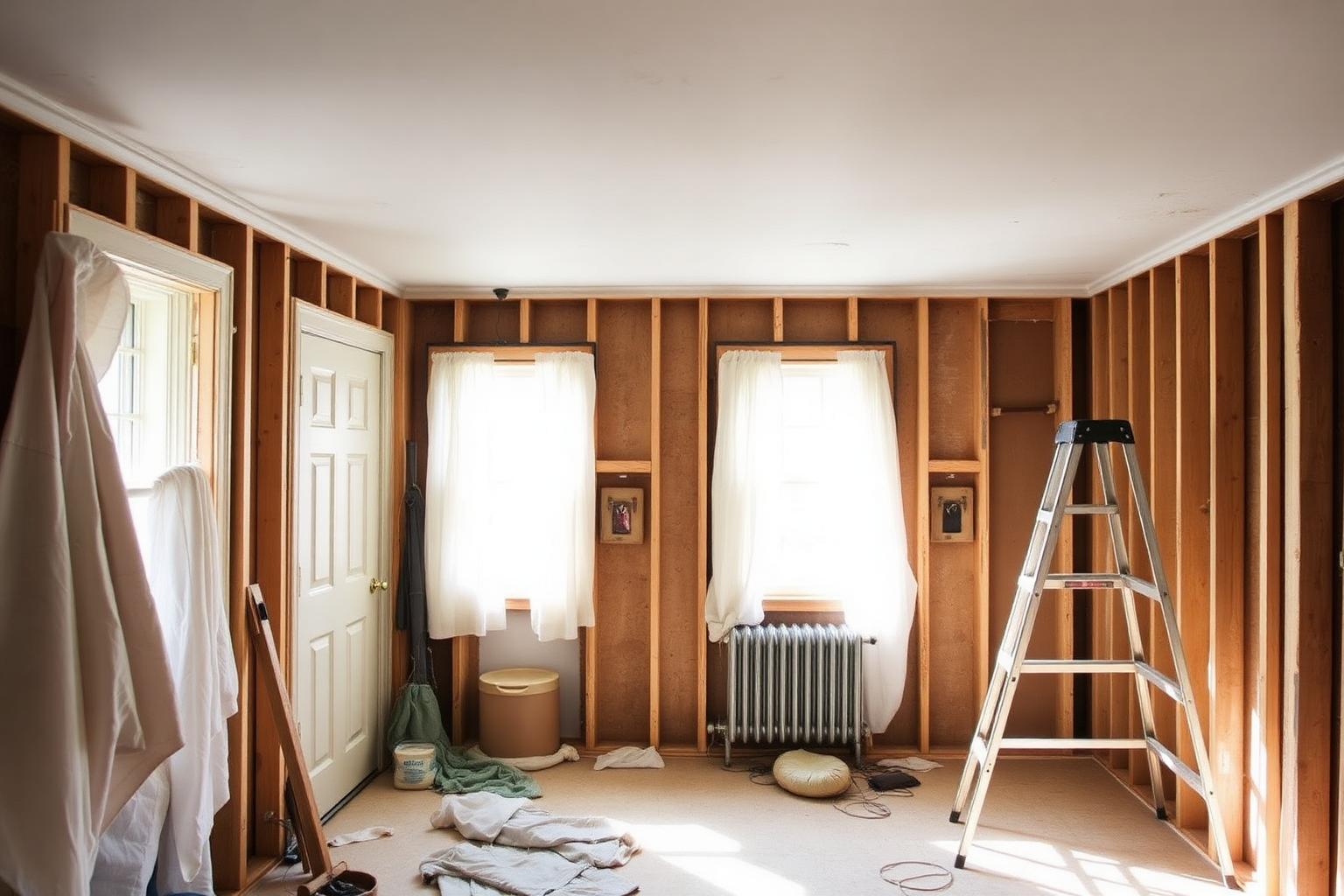
Renovating an older Long Island home is exciting — and risky for indoor air quality. Walls hold decades of accumulated dust, potentially asbestos-containing materials, lead paint, and often hidden mold. The renovation process disturbs all of this. Without planning, you can create exposures that affect your family long after the contractor leaves.
What's in those walls
A typical Long Island home built before 1985 may contain:
- **Asbestos** — pipe insulation, floor tile, joint compound, plaster, popcorn ceilings, siding, roofing - **Lead paint** — anything painted before 1978, often through multiple paint layers - **Mold** — particularly in walls with past water damage or chronic condensation - **Rodent and pest debris** — wall and ceiling cavities accumulate decades of pest activity - **Old fiberglass insulation** — that may itself contain contaminants - **Coal soot residue** — homes heated with coal before oil/gas conversion have residue in unusual places - **Pesticide residues** — particularly in floors and woodwork - **Original construction dust** — including silica, lumber dust, and adhesives
When you open up walls, all of this becomes potentially airborne.
Phase 1: Pre-renovation assessment
Before demolition starts, you should know what you're working with.
**Asbestos sampling.** Test materials that will be disturbed — flooring, ceilings, pipe insulation, joint compound, plaster, siding. We help you identify what to sample and submit samples to accredited labs.
**Lead paint testing.** XRF testing or paint chip sampling identifies lead presence. EPA Renovation, Repair, and Painting (RRP) rules apply to lead work in homes built before 1978.
**Mold assessment.** Visual inspection plus moisture mapping identifies likely problem areas. Test ambient air for baseline.
**Building history review.** Conversations with previous owners (if accessible) about water events, pest issues, and past renovations help target investigation.
Phase 2: Plan for containment
Renovation generates dust whether or not hazardous materials are involved. Proper containment prevents dust migration into occupied portions of the home.
Standard containment includes: - Plastic barriers separating work zones from living zones - HVAC isolation in work zones — registers covered, return ducts sealed - Negative air pressure with HEPA exhaust to outside - Walk-off mats and protected pathways - Closed shoe covers for workers entering occupied space - HEPA-filtered vacuums for cleanup (not standard shop vacs)
If asbestos or significant lead is present, regulated abatement requirements layer on top of these basic protocols.
Phase 3: During renovation
**Live elsewhere if possible.** If you can stay with family or in a rental during major work, do so. Particularly with families that include children, elderly, pregnant women, or anyone with respiratory issues.
**If you must occupy.** Restrict occupied zones, run HEPA air purifiers continuously, replace HVAC filters frequently, wipe surfaces regularly, and consider IAQ monitoring during work.
**Communicate with contractors.** Most contractors don't think about IAQ unless prompted. Discuss containment plans, dust control, and cleanup expectations before work begins. Include IAQ requirements in contracts.
**Watch for unexpected discoveries.** Behind drywall and floors lurk surprises. When contractors find suspect materials — black staining, unusual insulation, abandoned plumbing — stop work and investigate before continuing.
Phase 4: Post-renovation cleanup
When the contractor says they're done, the home isn't ready for normal occupancy. Post-construction IAQ work includes:
- **HEPA vacuum all surfaces** — floors, walls, ceilings, every horizontal surface - **Wipe everything with damp microfiber cloths** — not feather dusters that redistribute particles - **HVAC service** — replace filters, clean coil, clean blower compartment if exposed during work - **Off-gassing period** — new paint, finishes, flooring, and cabinets release VOCs for weeks. Ventilate aggressively - **Air testing** — verify IAQ is acceptable before returning to normal occupancy - **Address discovered issues** — if remediation revealed problems not in the original scope, address them now
Common post-renovation IAQ issues we encounter
- VOC levels elevated for months from new materials - Construction dust distributed throughout home including in HVAC - Hidden mold uncovered but not properly remediated - Asbestos-containing materials disturbed without proper protocol - New ventilation problems from changes in air flow patterns - Material incompatibilities (vapor barriers in wrong locations, etc.)
When IAQ assessment is critical
We strongly recommend professional IAQ involvement for renovations that: - Involve any pre-1985 home - Open major wall sections - Replace flooring (especially over old asbestos tile) - Affect HVAC systems - Involve kitchen or bathroom demolition - Replace insulation - Address known past water damage - Include attic or basement work
For minor cosmetic work (painting a room, replacing a vanity), professional IAQ involvement is typically unnecessary.
What HBH provides for renovation projects
We work with homeowners and contractors at multiple project phases: - Pre-renovation assessment and material sampling - Containment plan review and IAQ specifications - Mid-project monitoring and verification - Discovery investigation when unexpected materials emerge - Post-construction clearance testing - Long-term occupant health verification
Coordinating with us early saves money, reduces health risks, and produces better outcomes.
**Planning a renovation?** Call HBH at (631) 774-6502 to discuss your project.
Keep Reading
Home Systems
Bathroom Mold Prevention: A Long Island Homeowner's Guide
Bathrooms are ground zero for mold in Long Island homes. Here's how to stop it before it starts — from ventilation to grout.
Seasonal
The Long Island Fall Mold Prevention Checklist
Autumn is the most important — and most overlooked — season for mold prevention on Long Island. Use this checklist before winter sets in.